Art
“In the Oriental calligraphic tradition, you are not supposed to touch up or white out a trace of your brush. Each brushstroke must be decisive. There is no going back. It is just like life.”
— Kazuaki Tanahashi
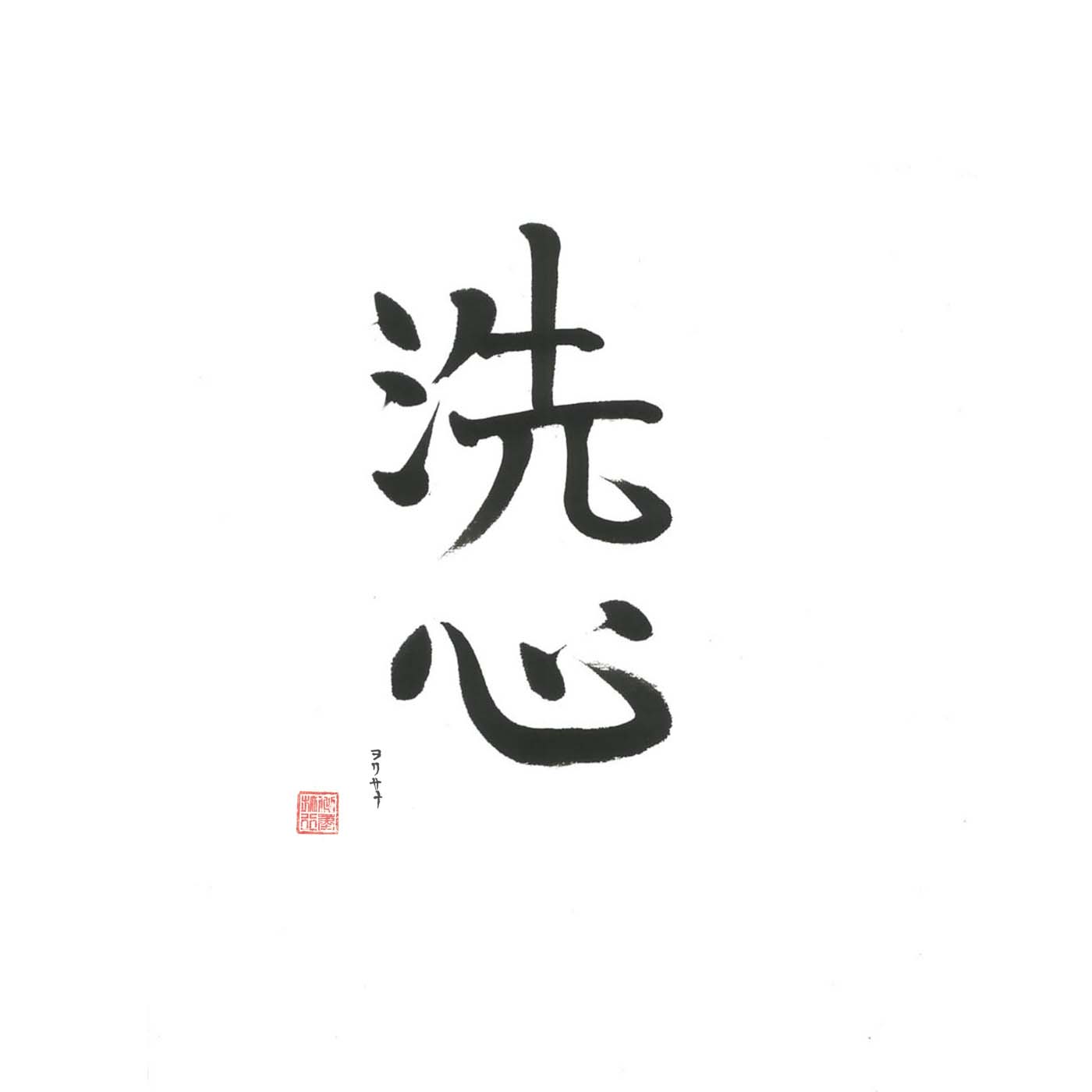
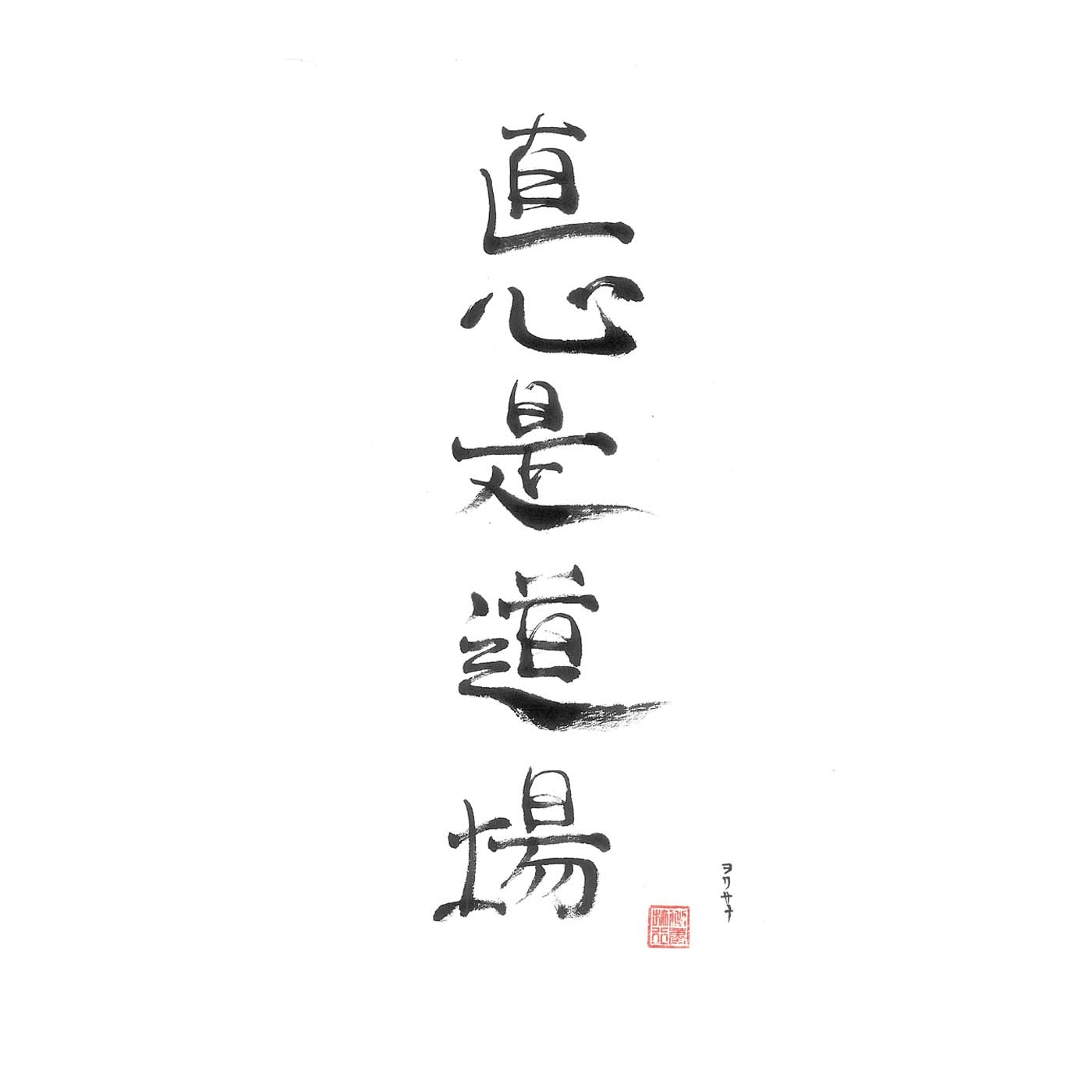
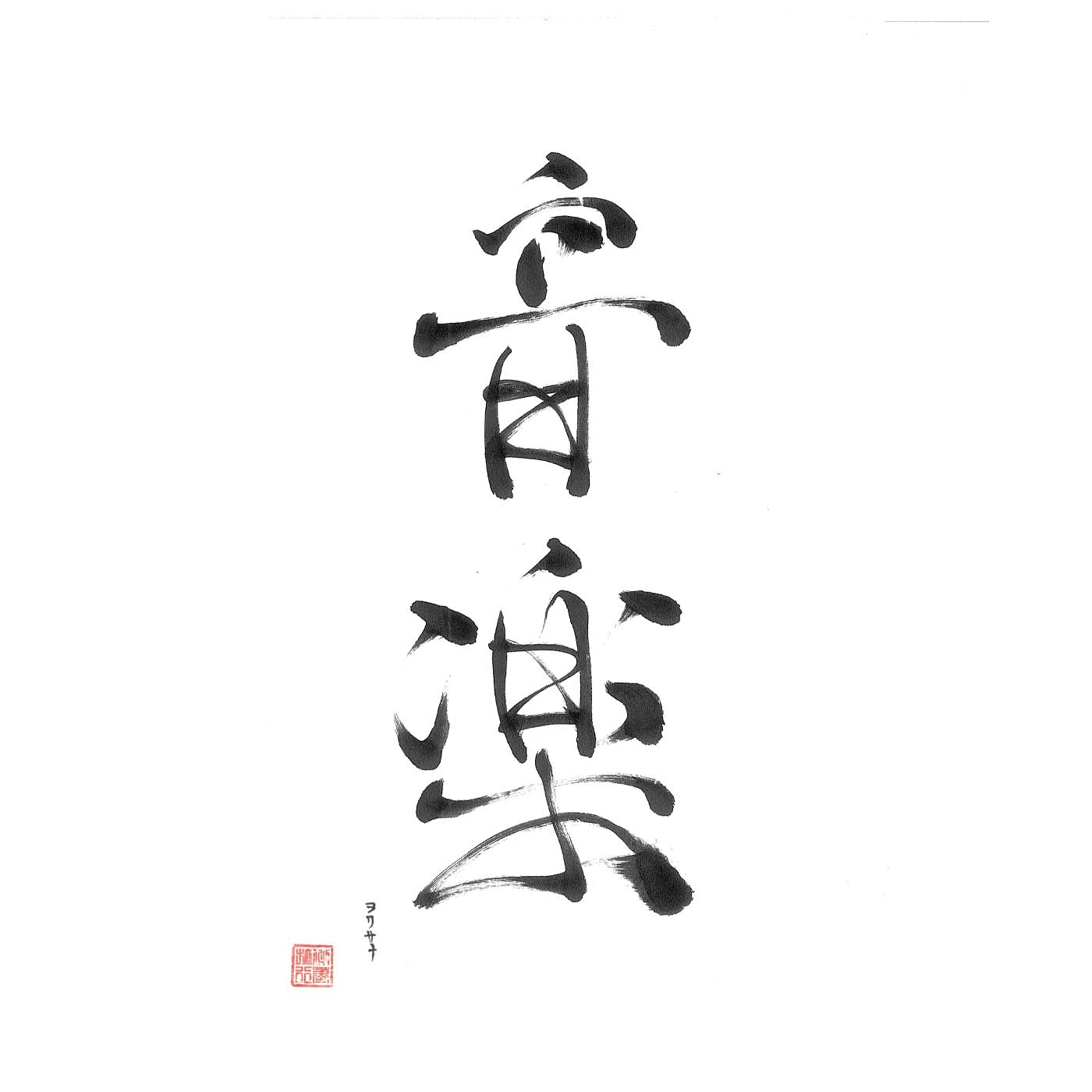
Characters and Phrases (黒音 - Black Sound)
Here I am putting my bold, high-contrast pieces consisting mainly of single characters or phrases. In traditional East Asian philosophy, ki (or qi in Chinese) is the invisible energy that flows through all living things. In Japanese calligraphy, ki is the invisible bridge between the artist's internal state and the external physical stroke. Ultimately, mastering Japanese calligraphy is not just about mastering the brush; it is about cultivating, controlling, and expressing the power of ki.
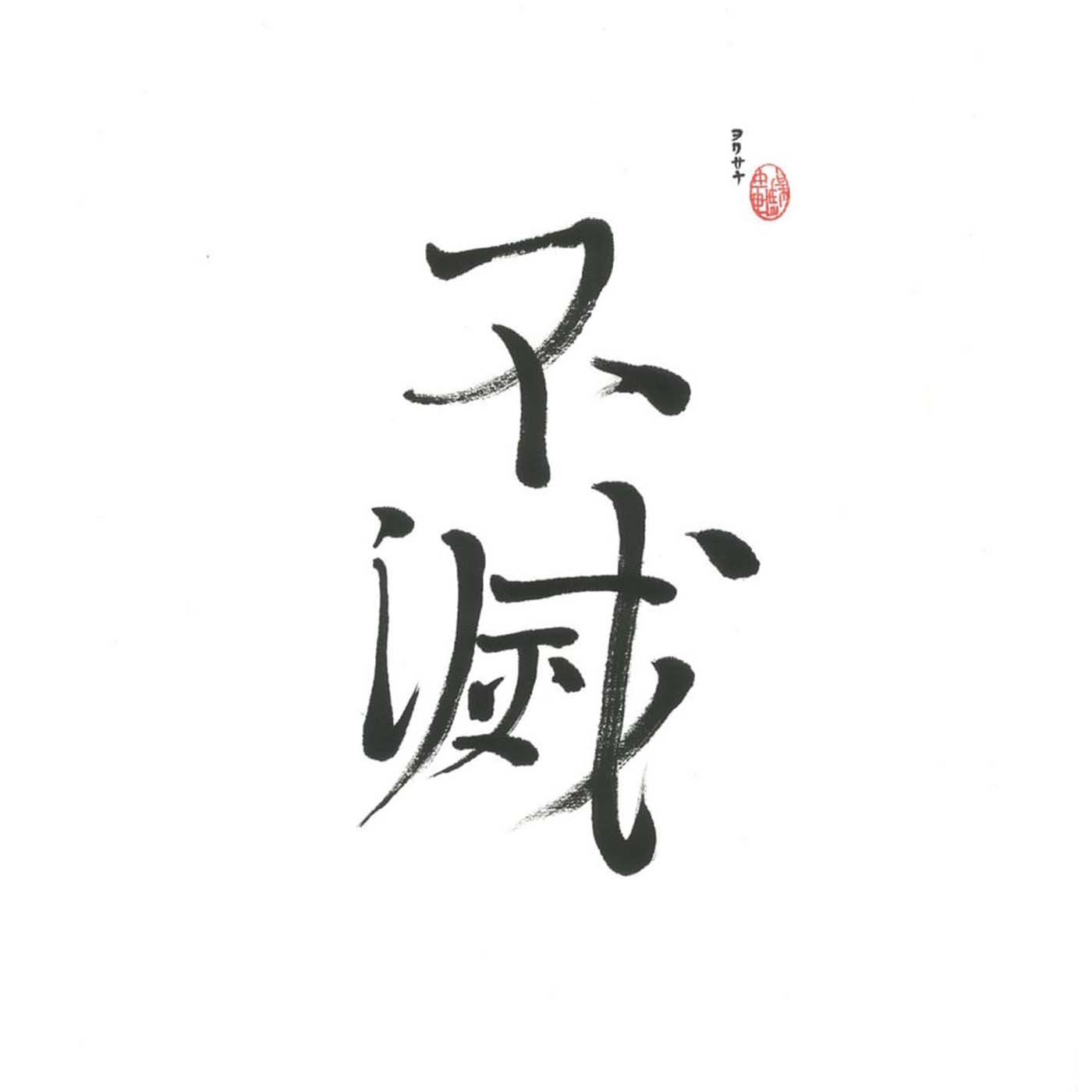
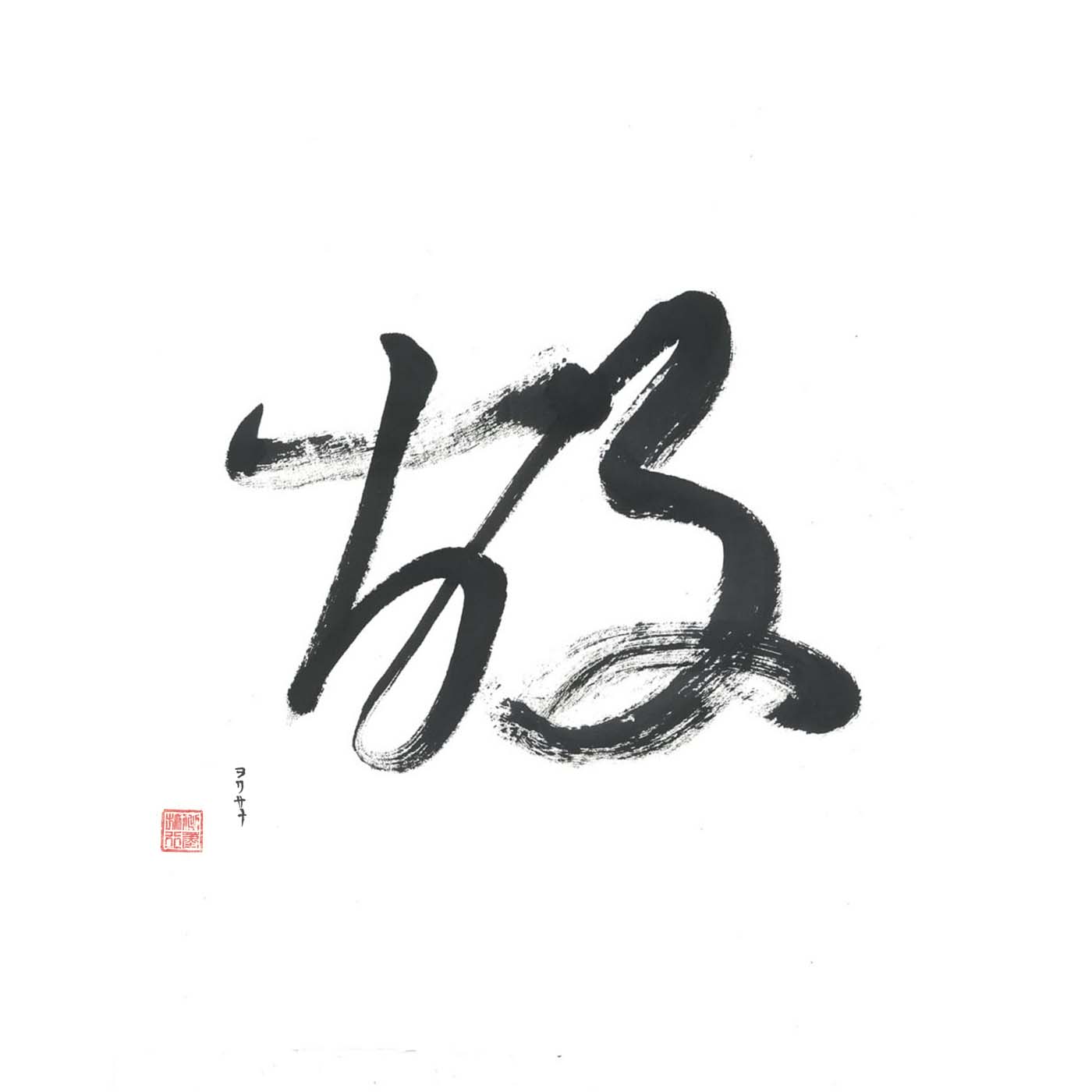
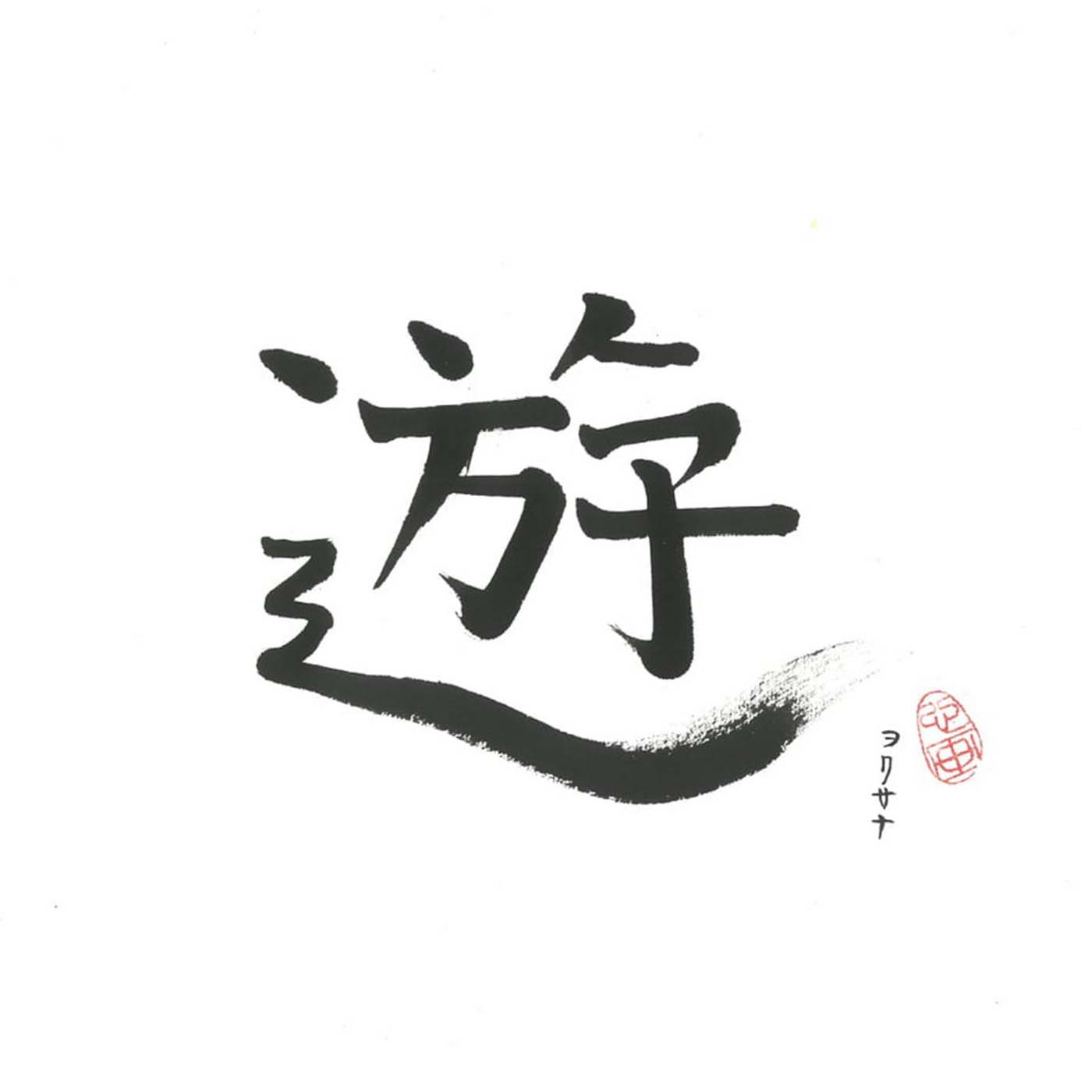
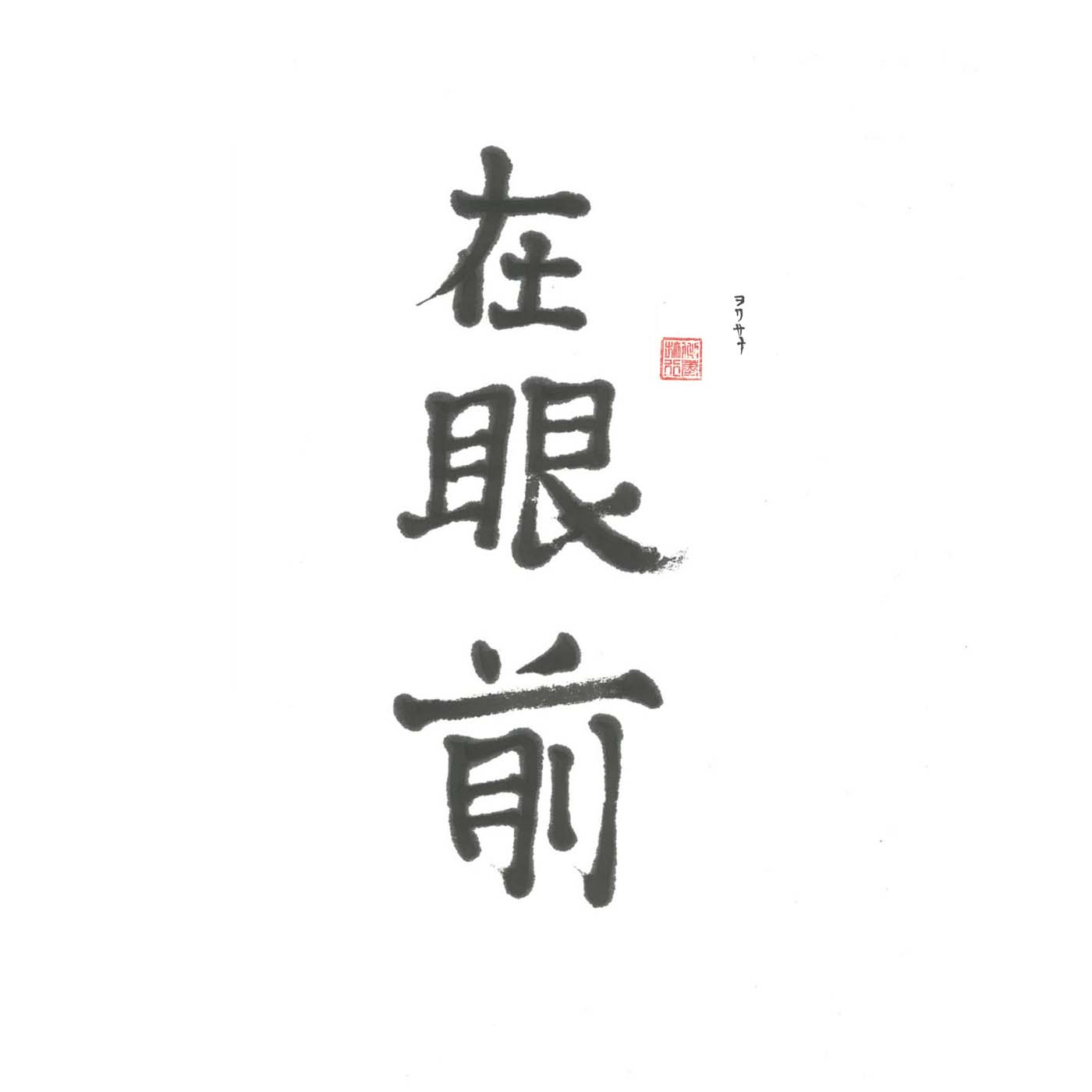
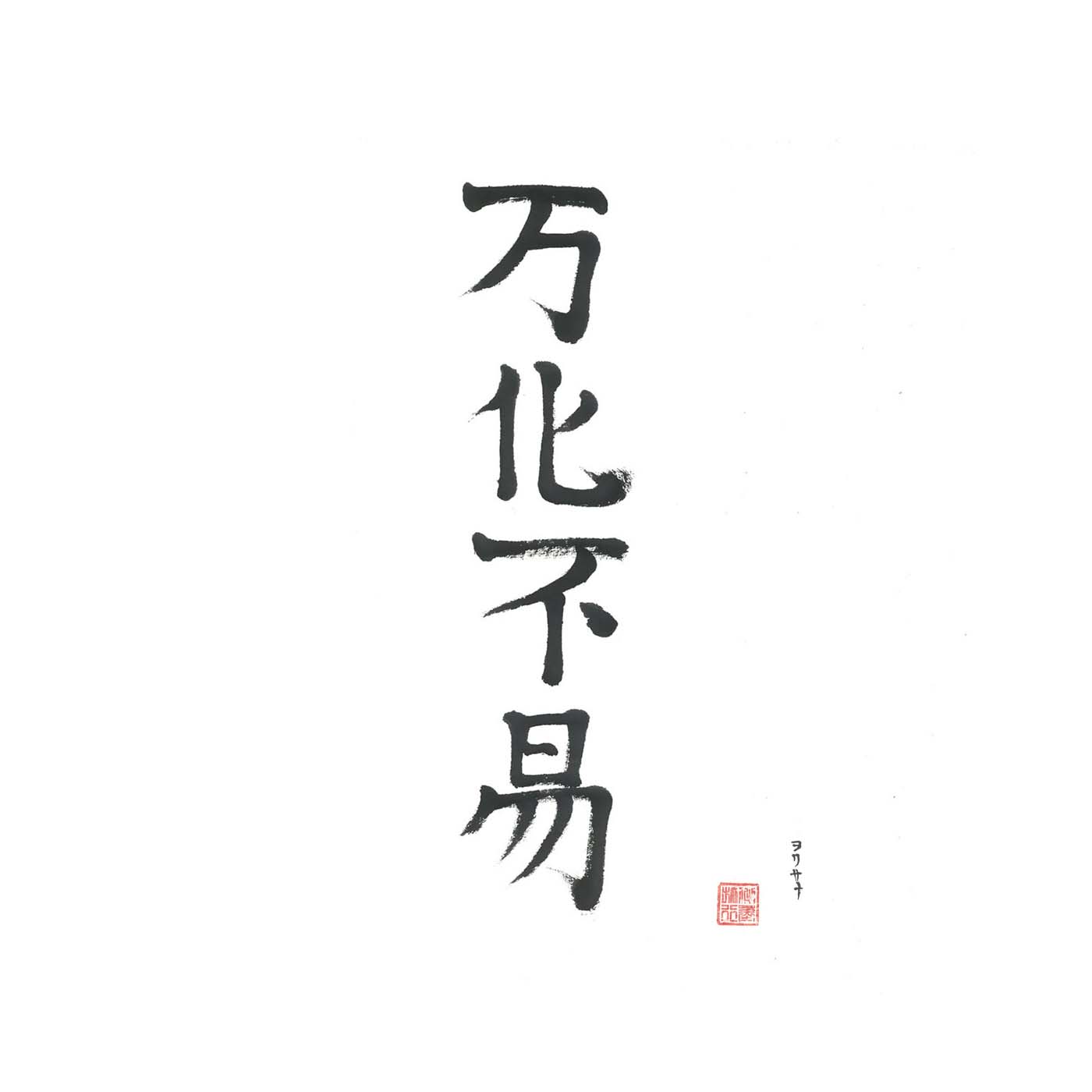
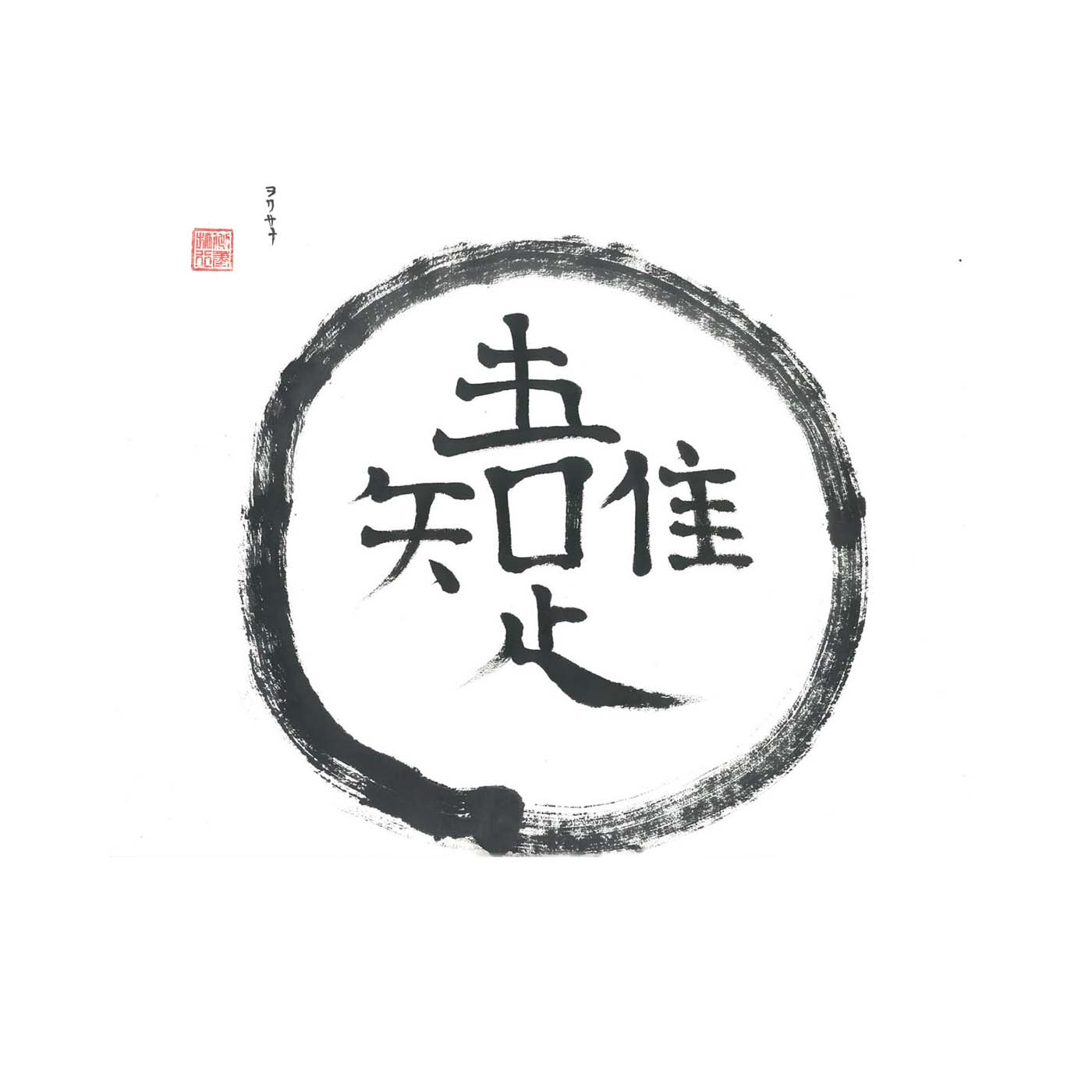
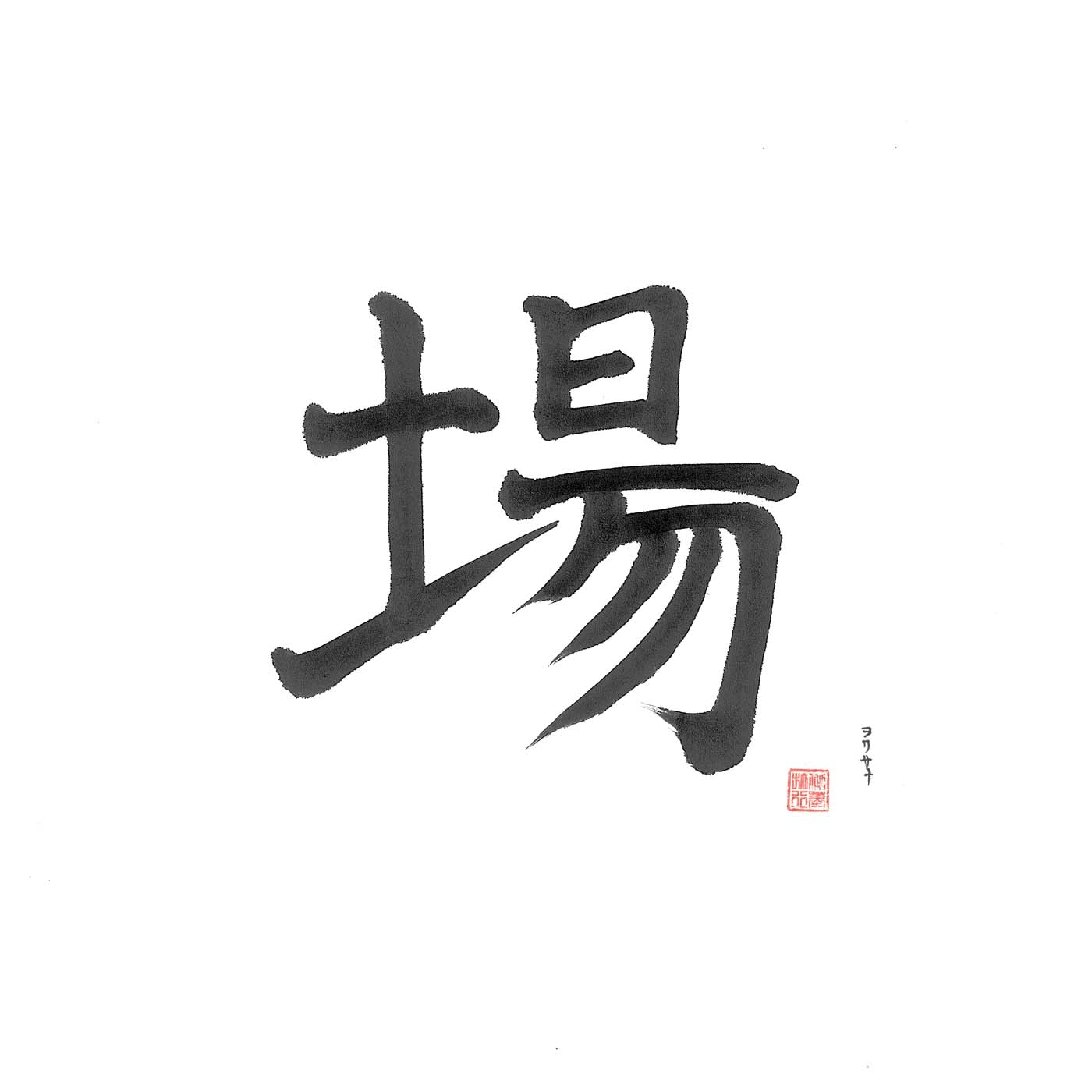
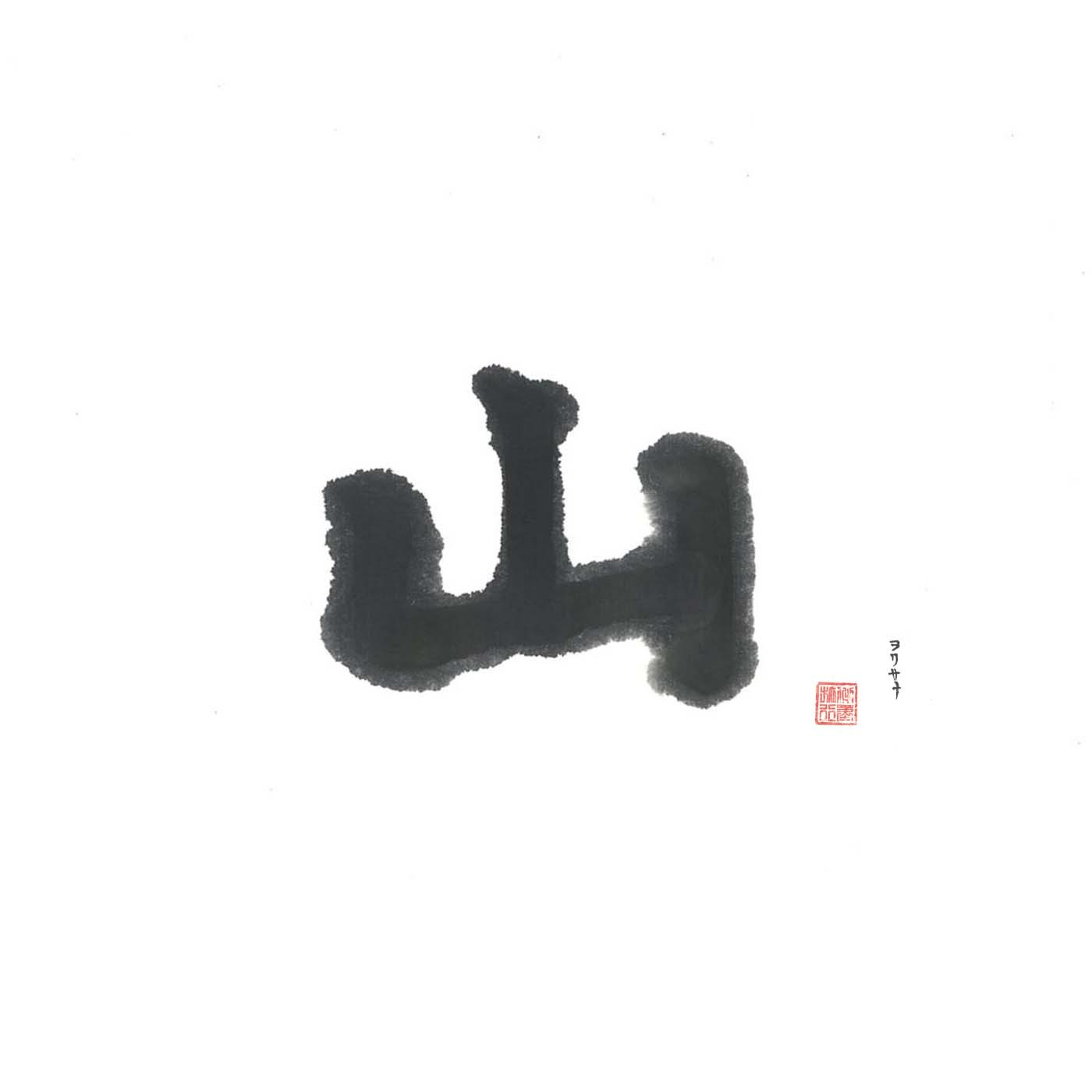
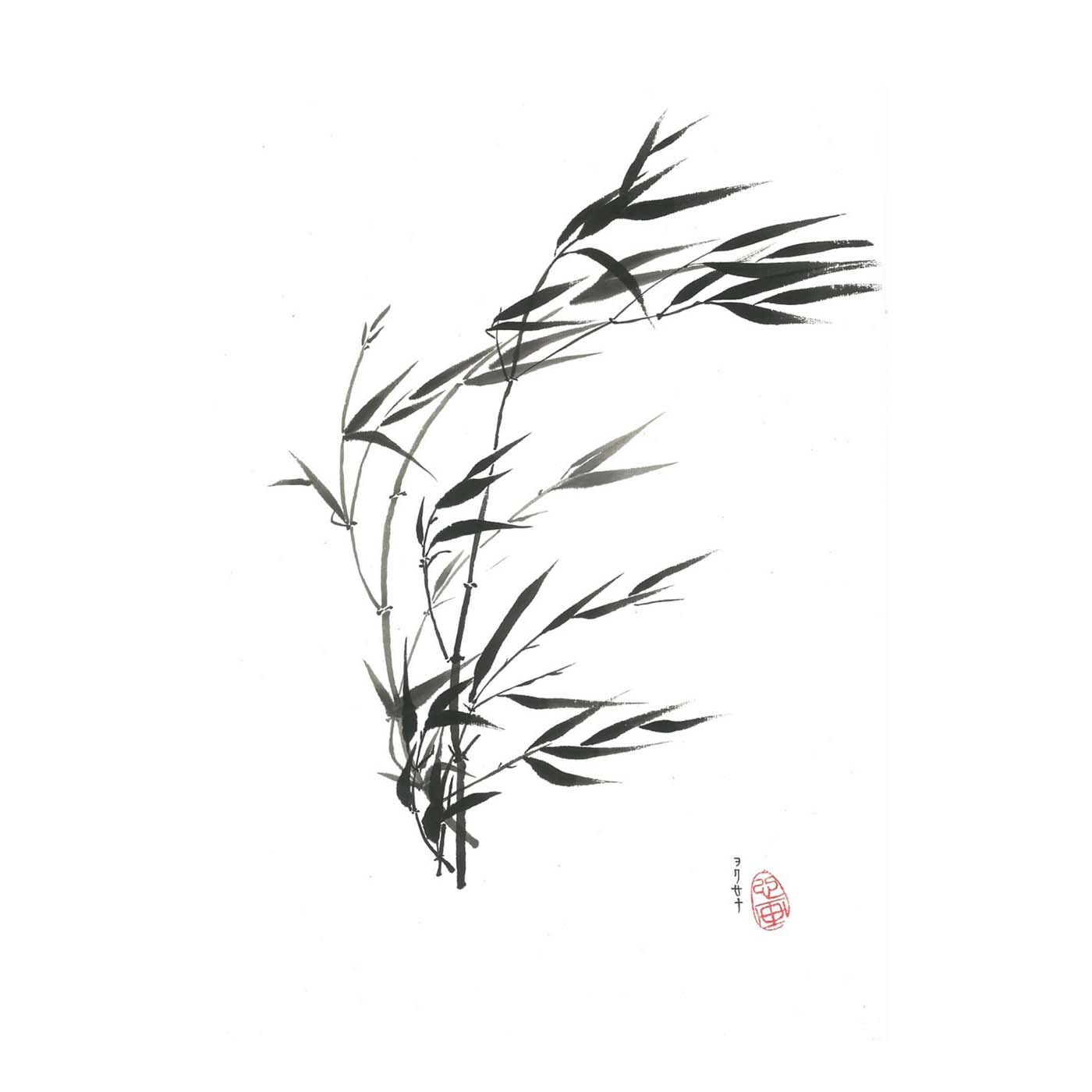
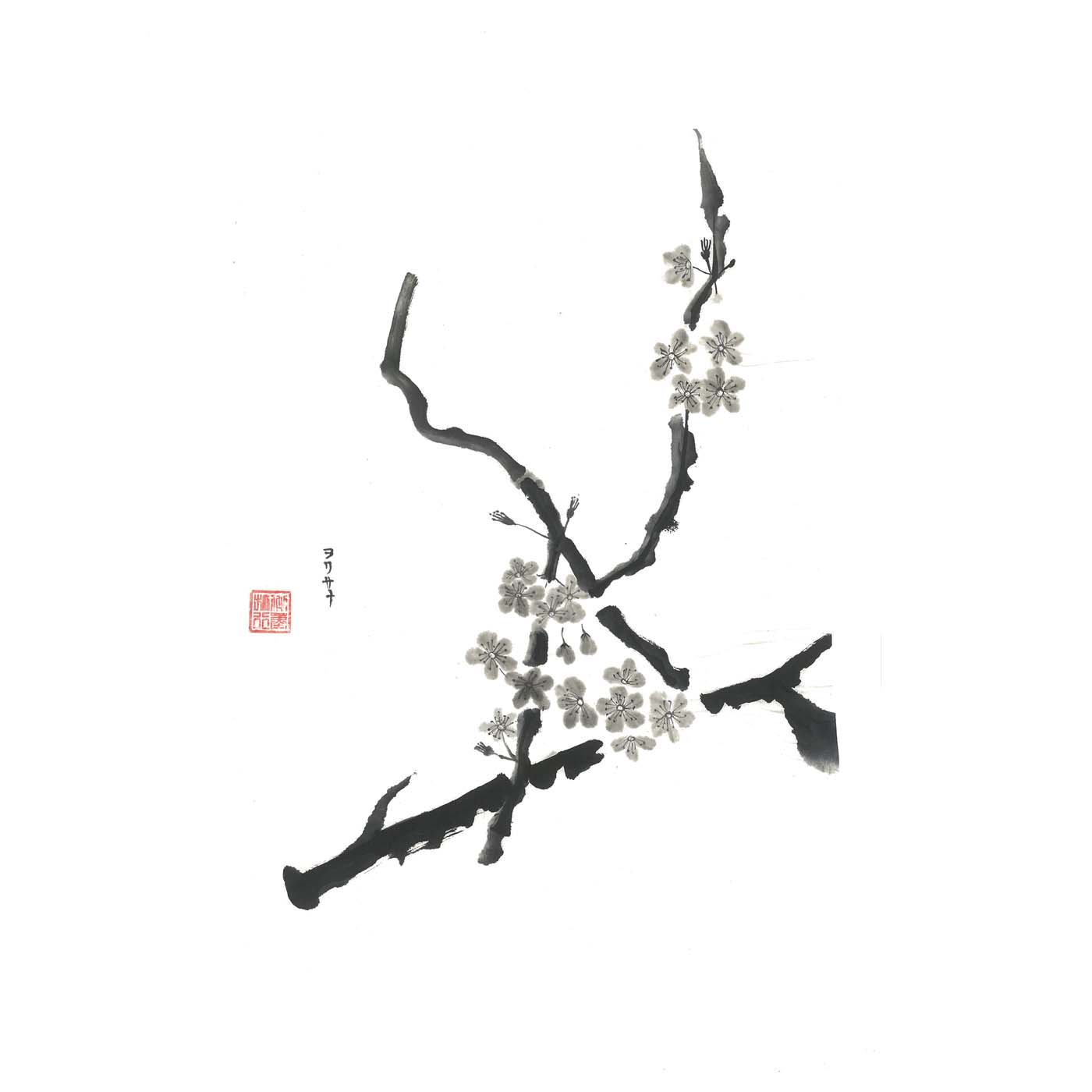
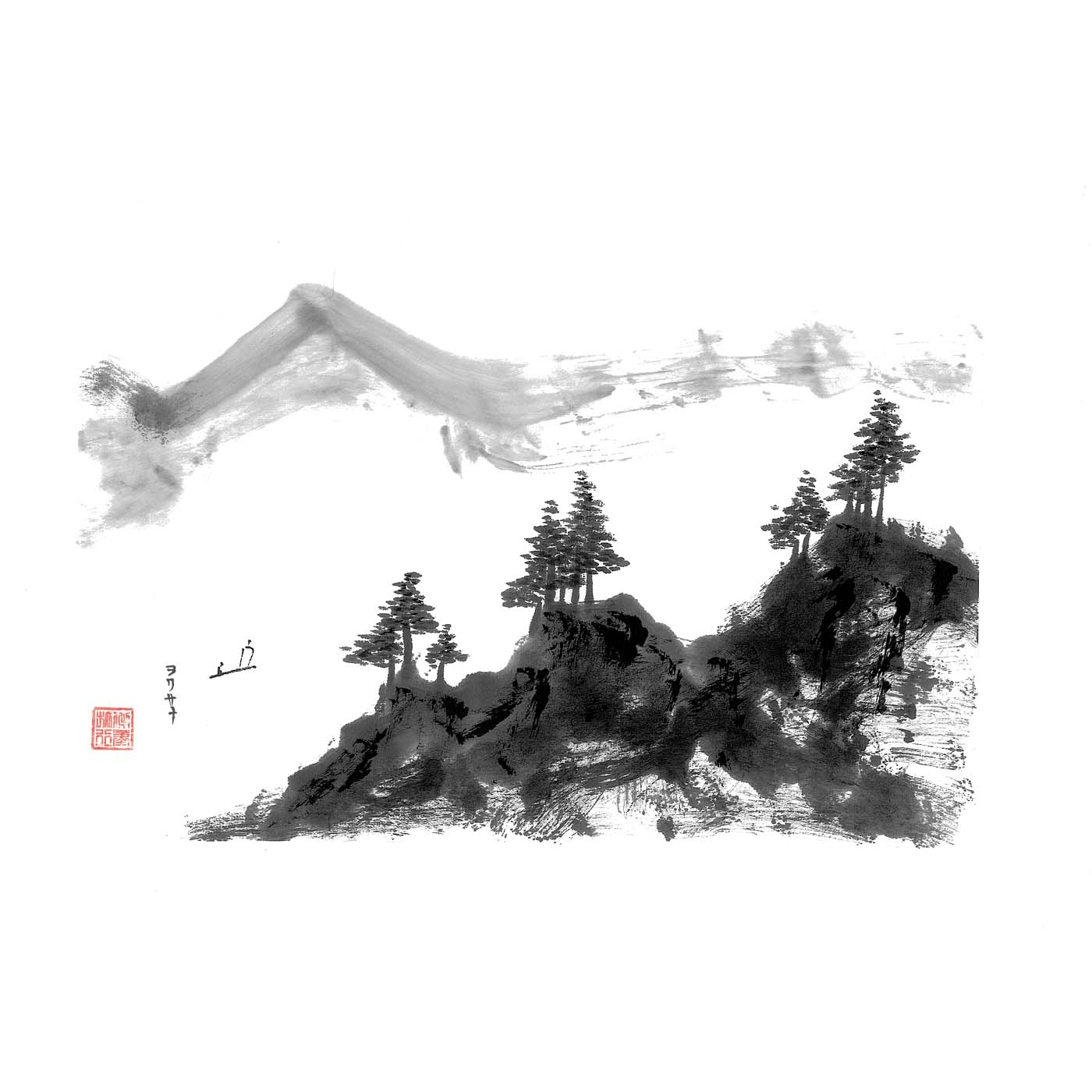
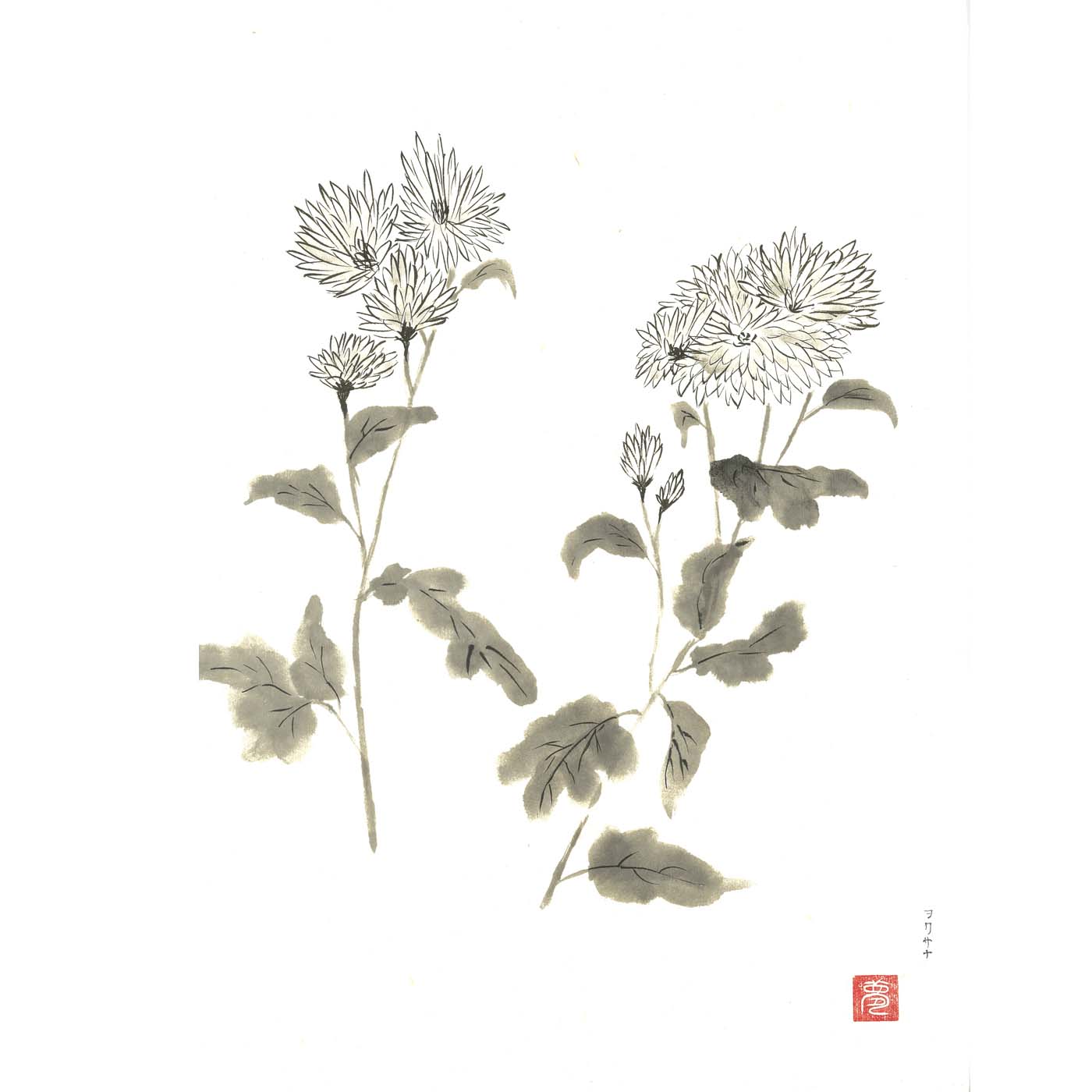
Paintings (掠れ - The Trace)
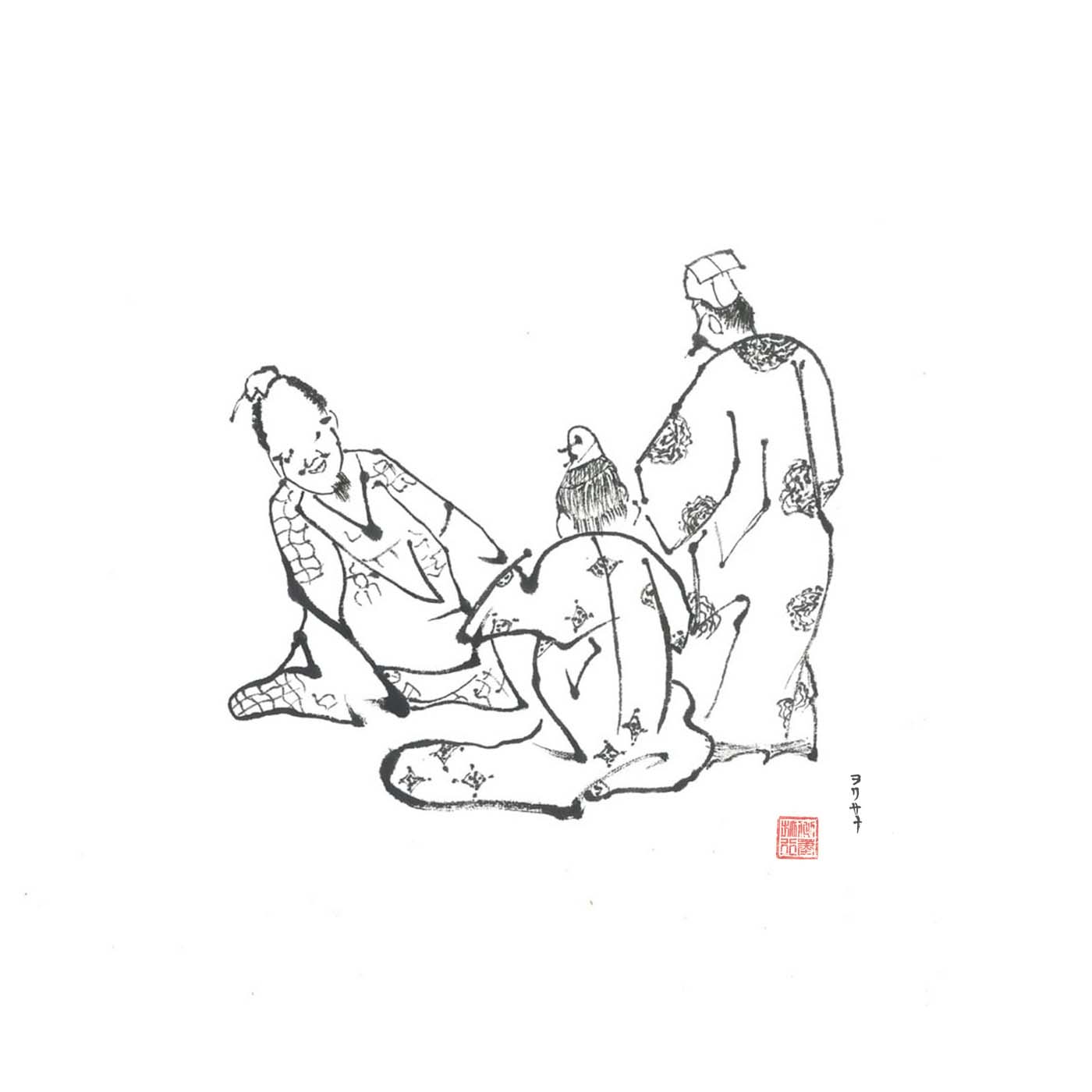
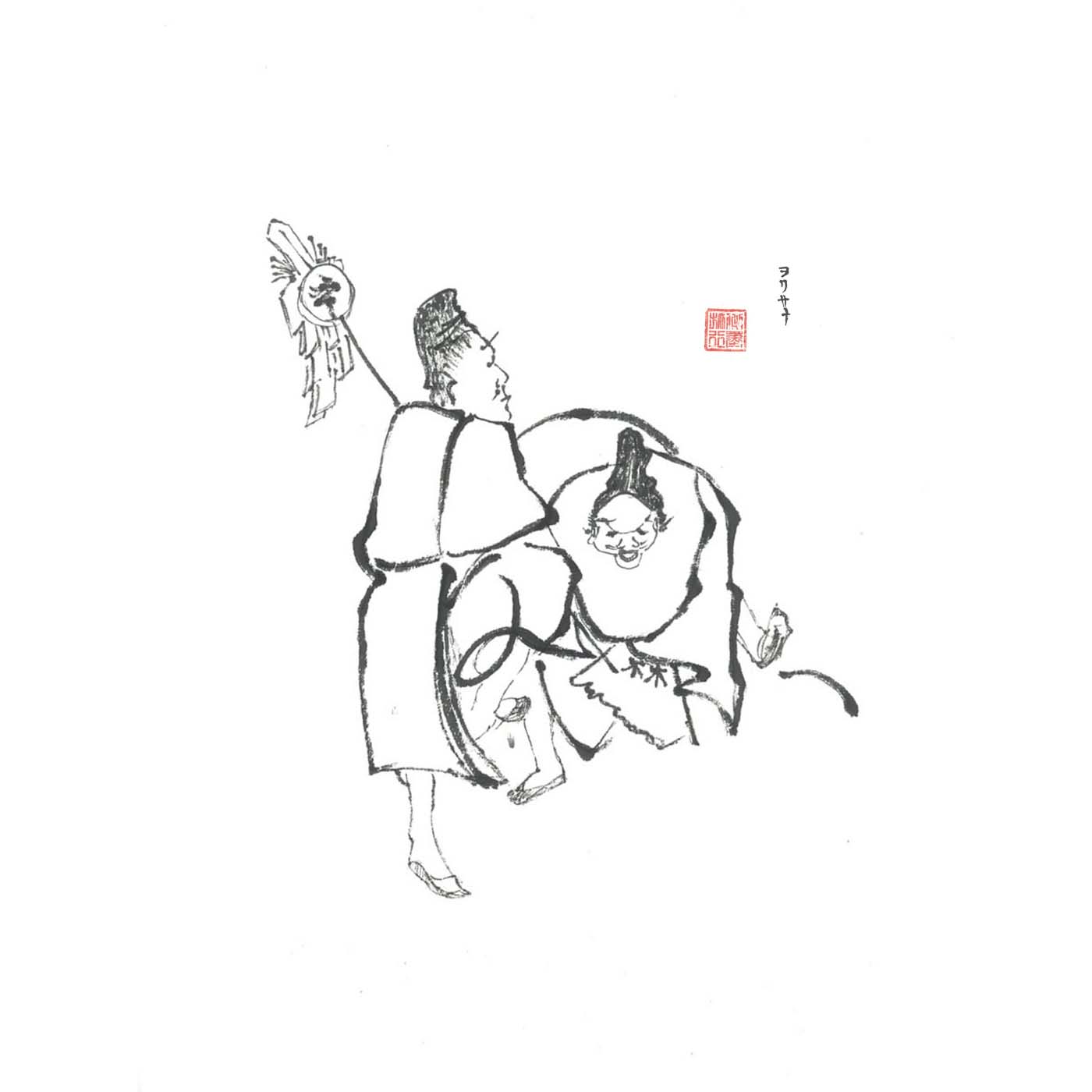
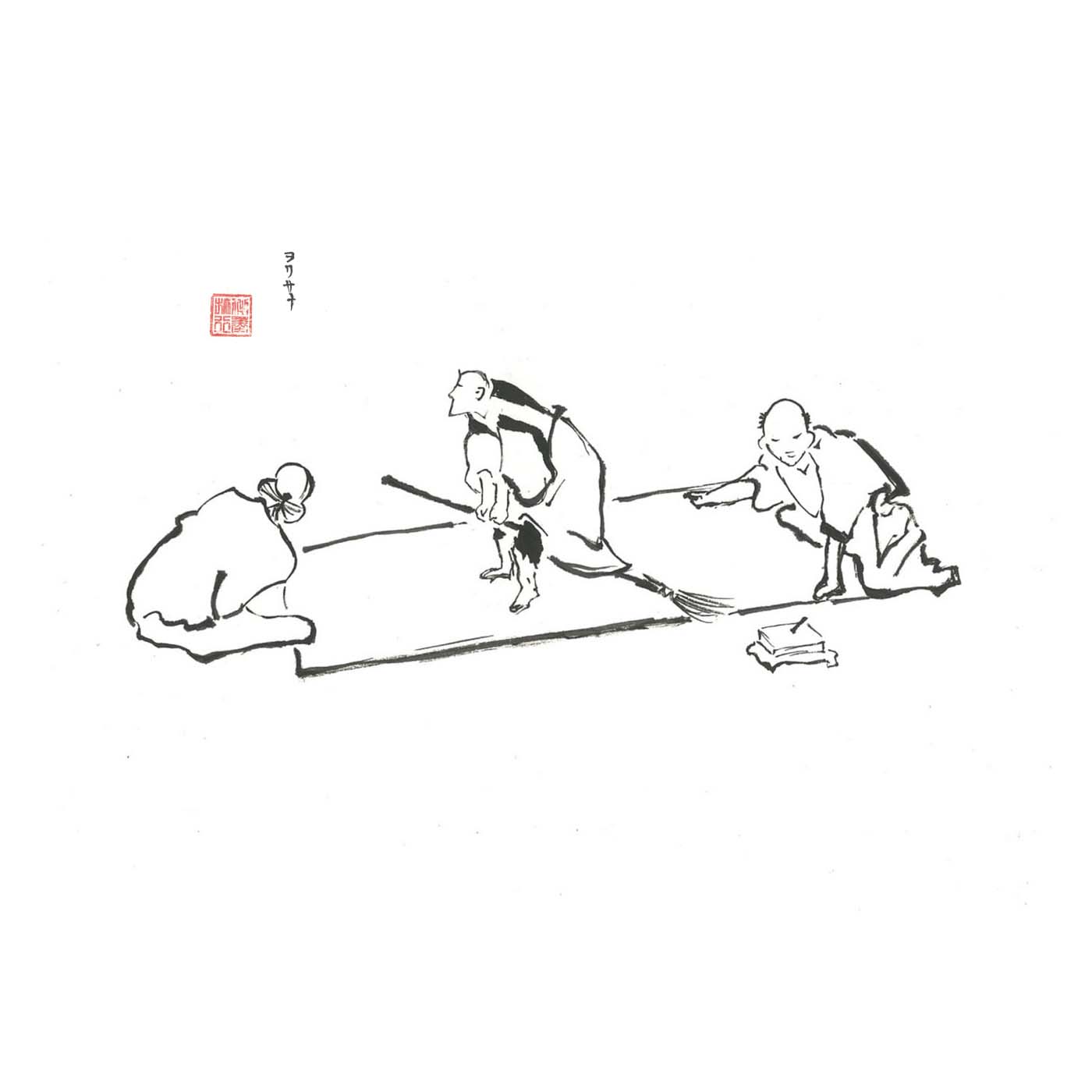
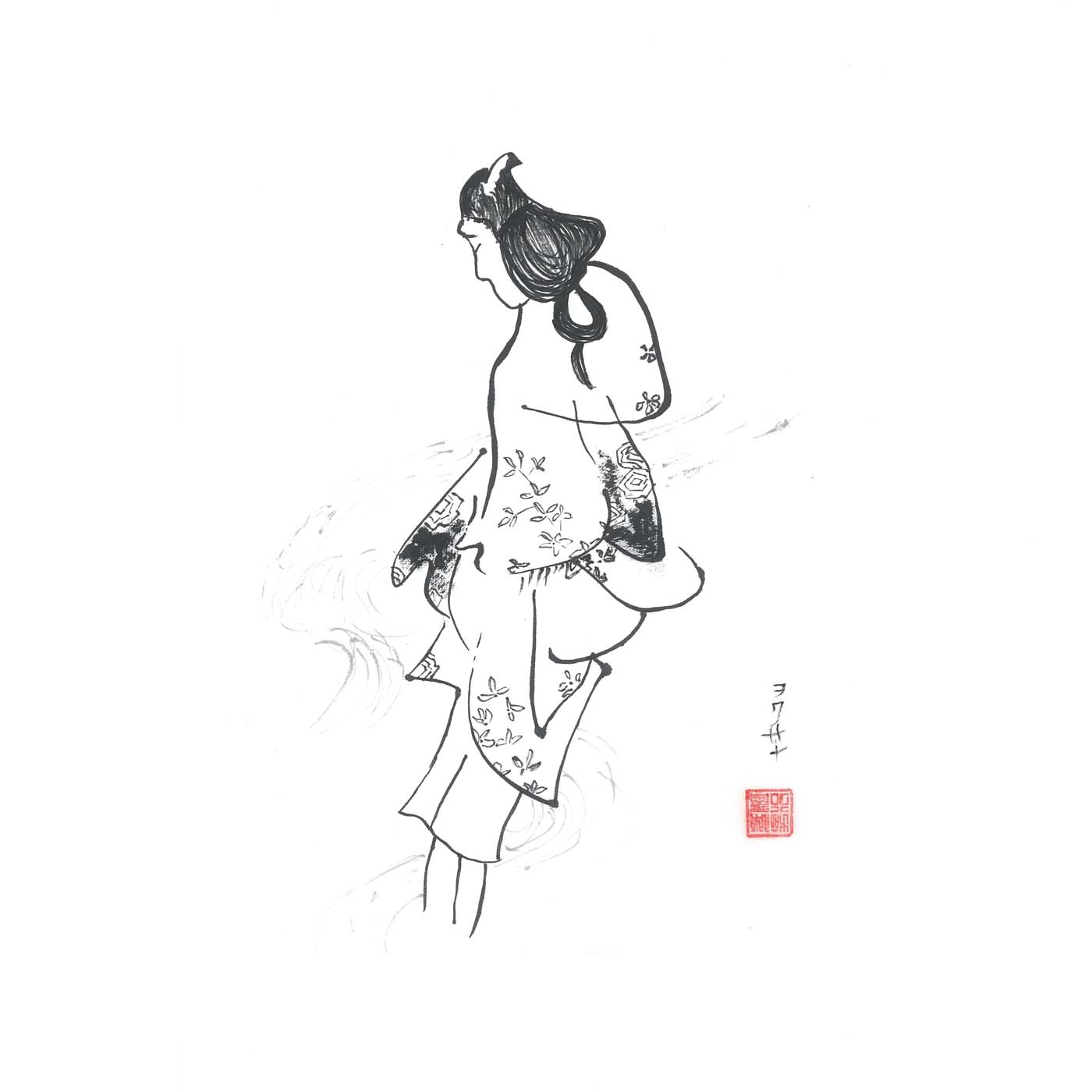
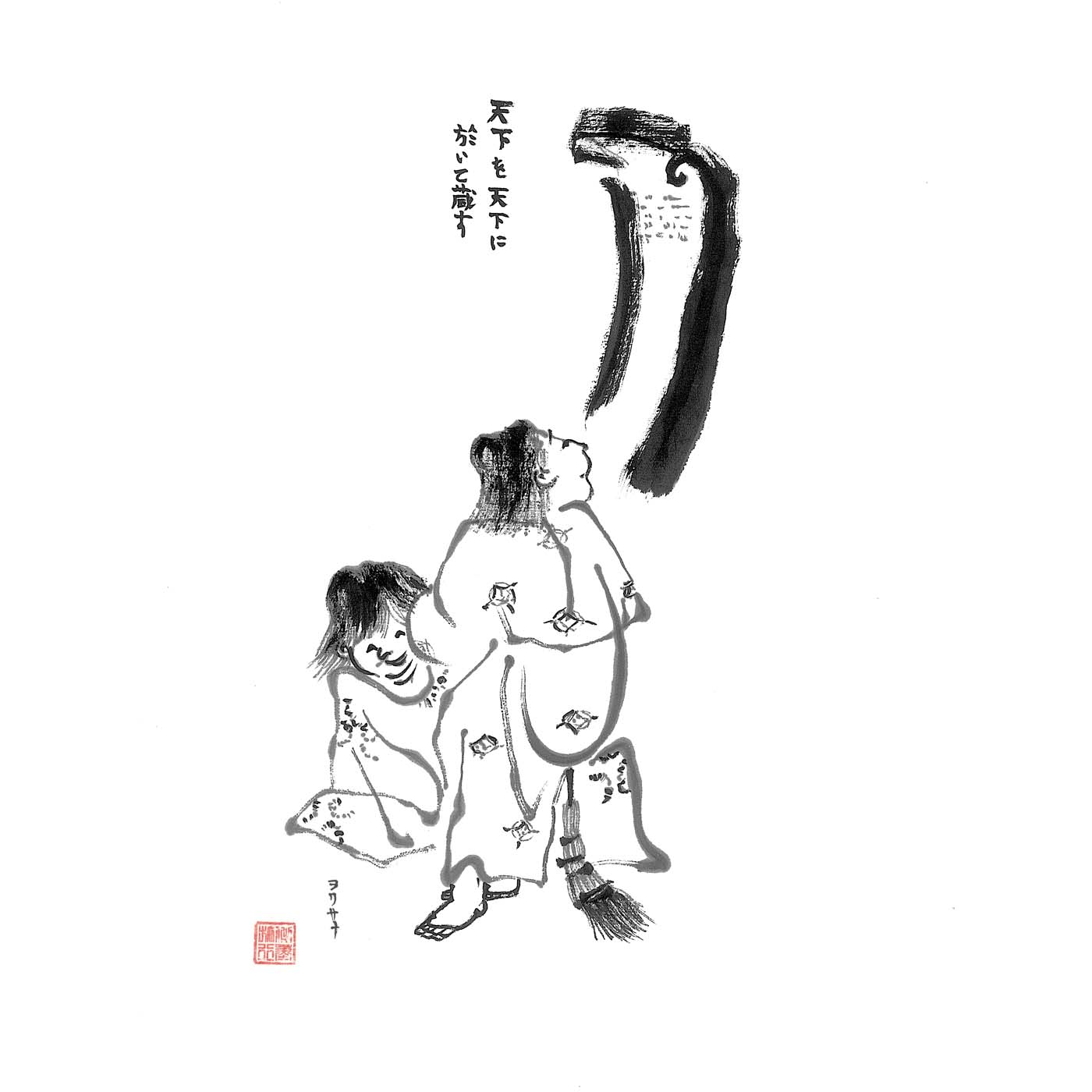
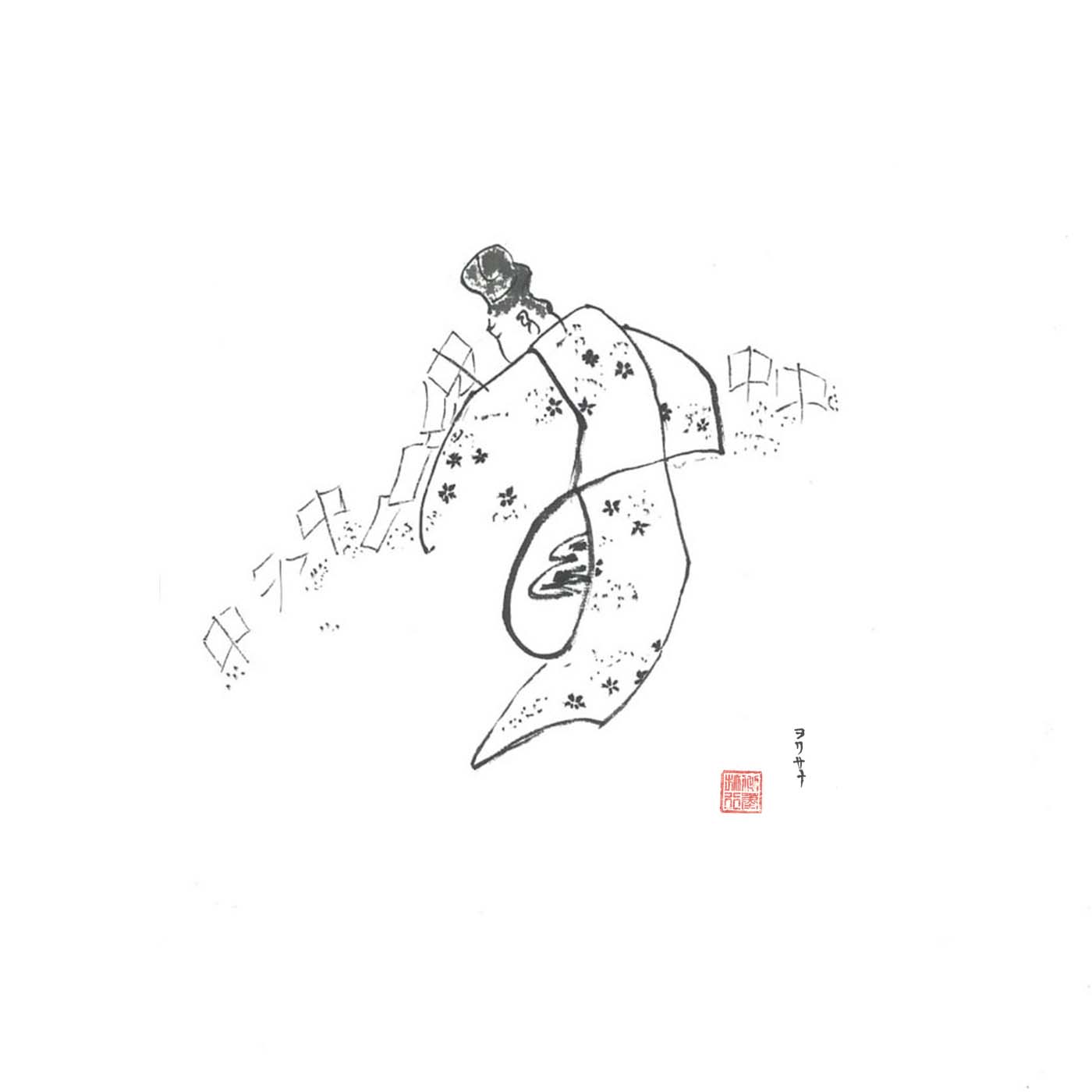
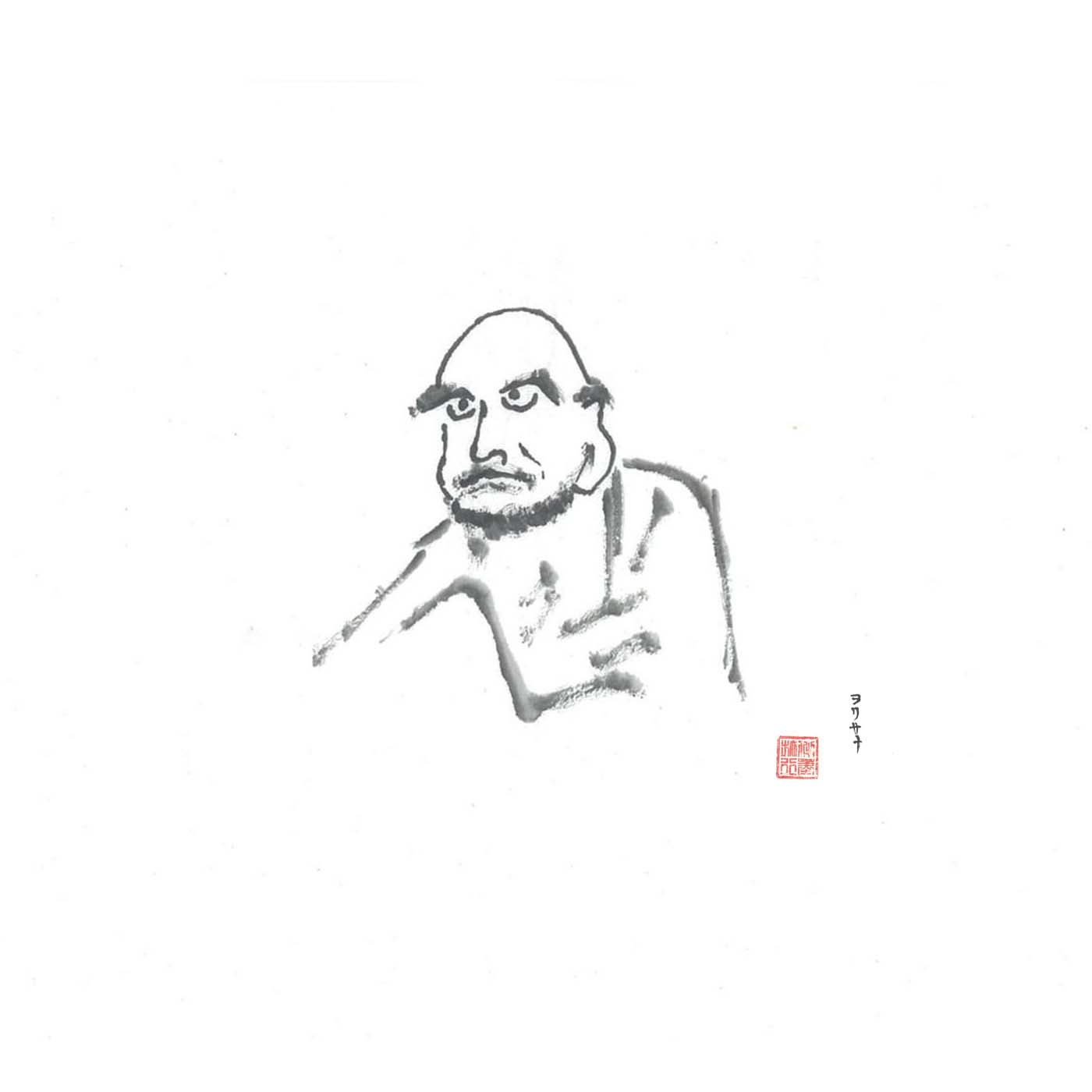
This section is where I experiment with various subjects and the key to this one is to highlight the beauty of imperfection (Wabi-sabi).
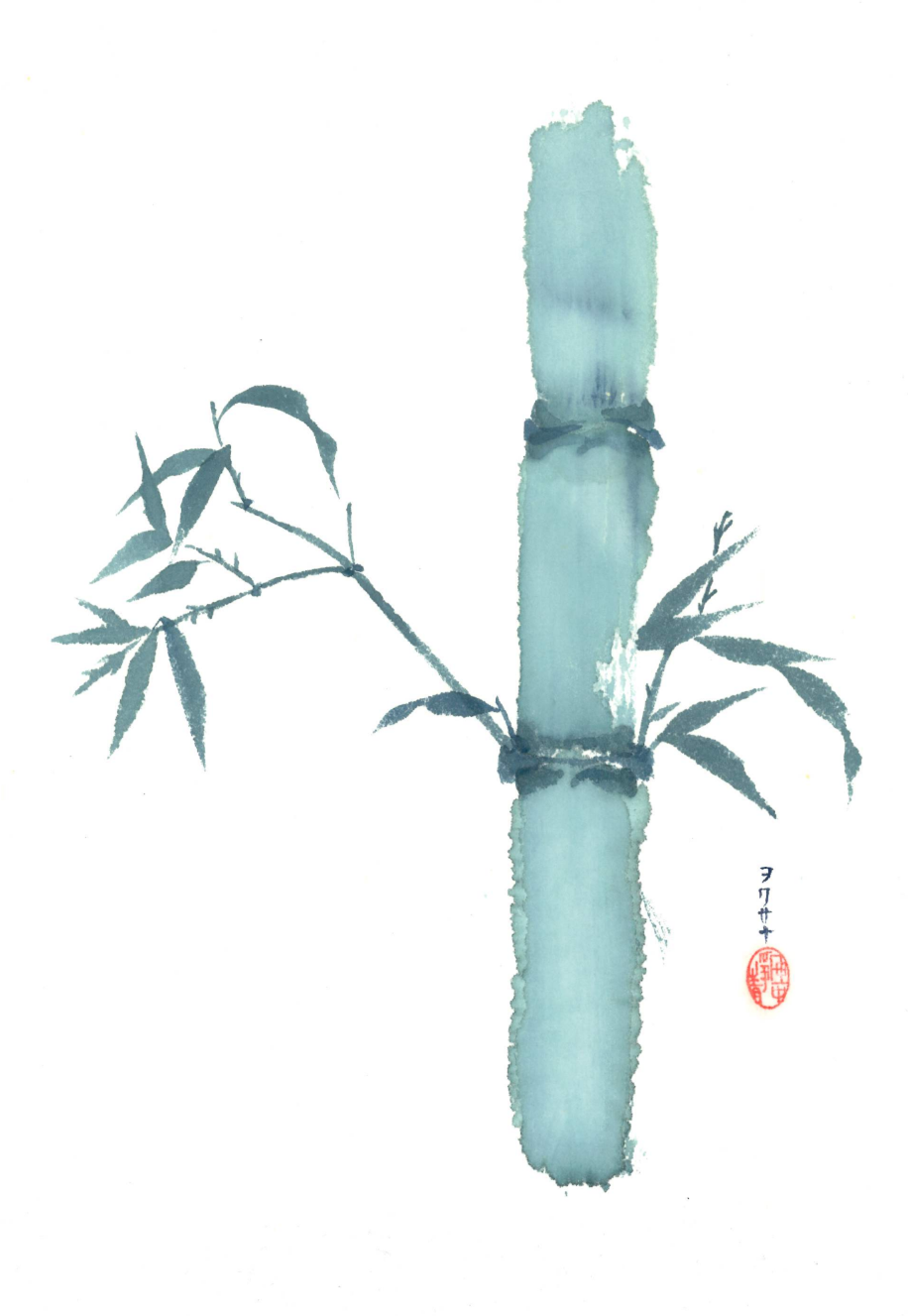
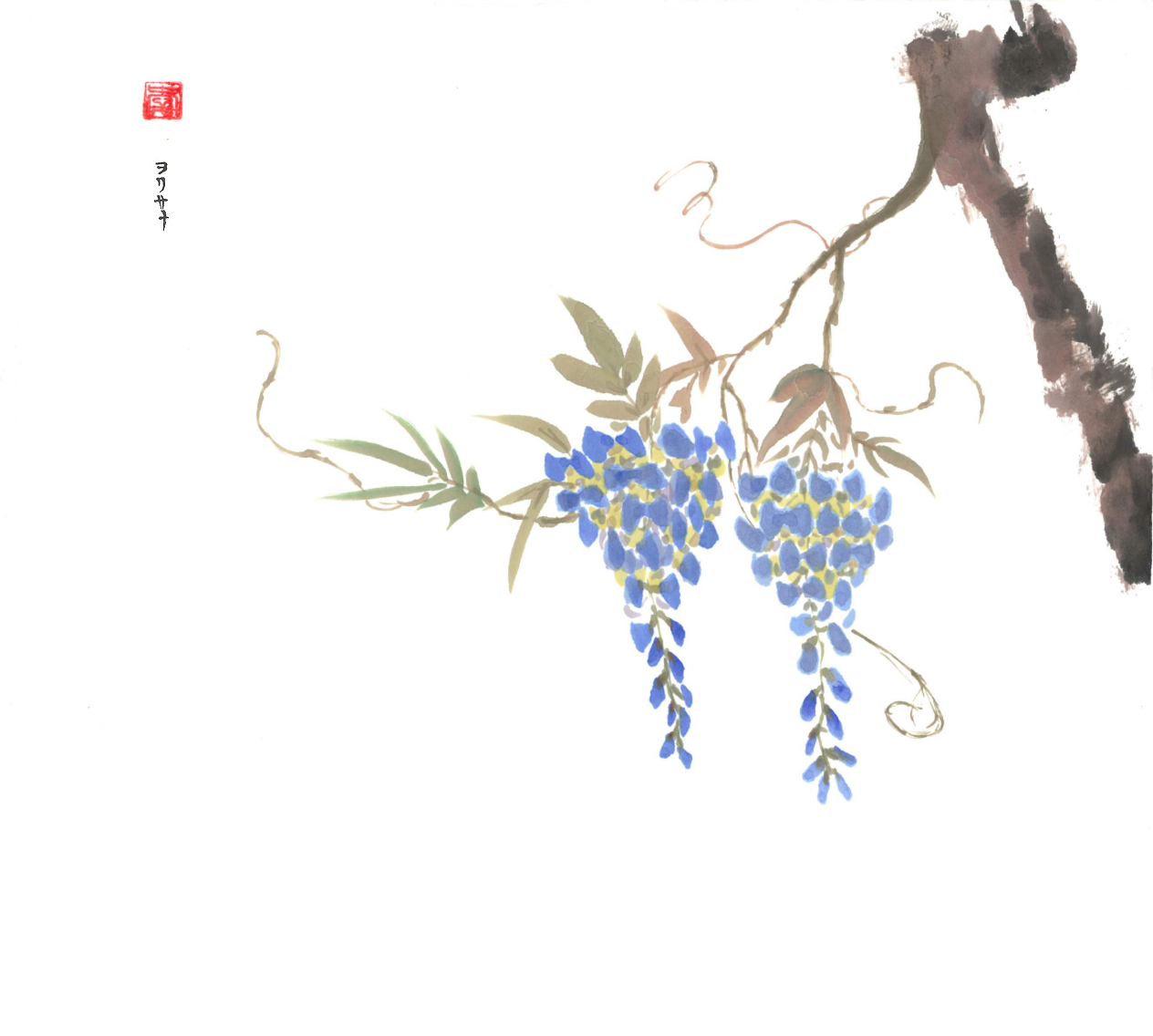
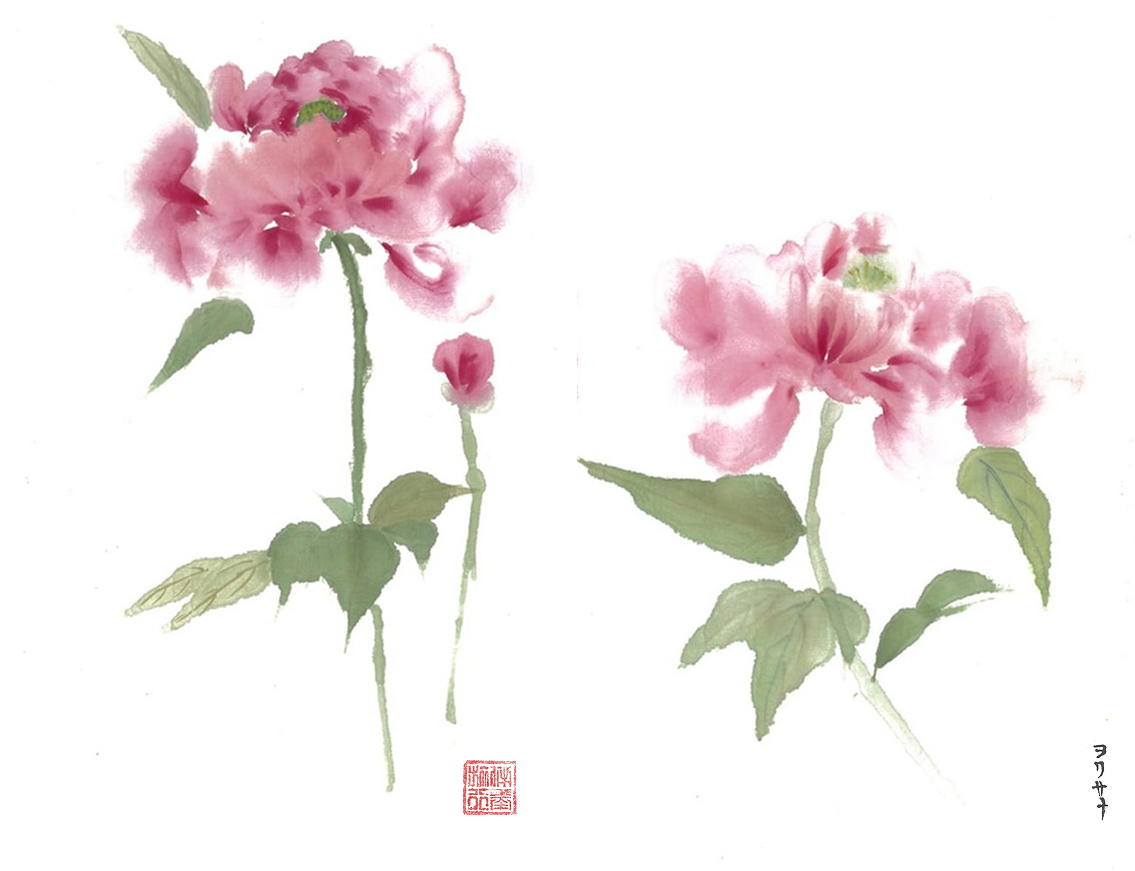
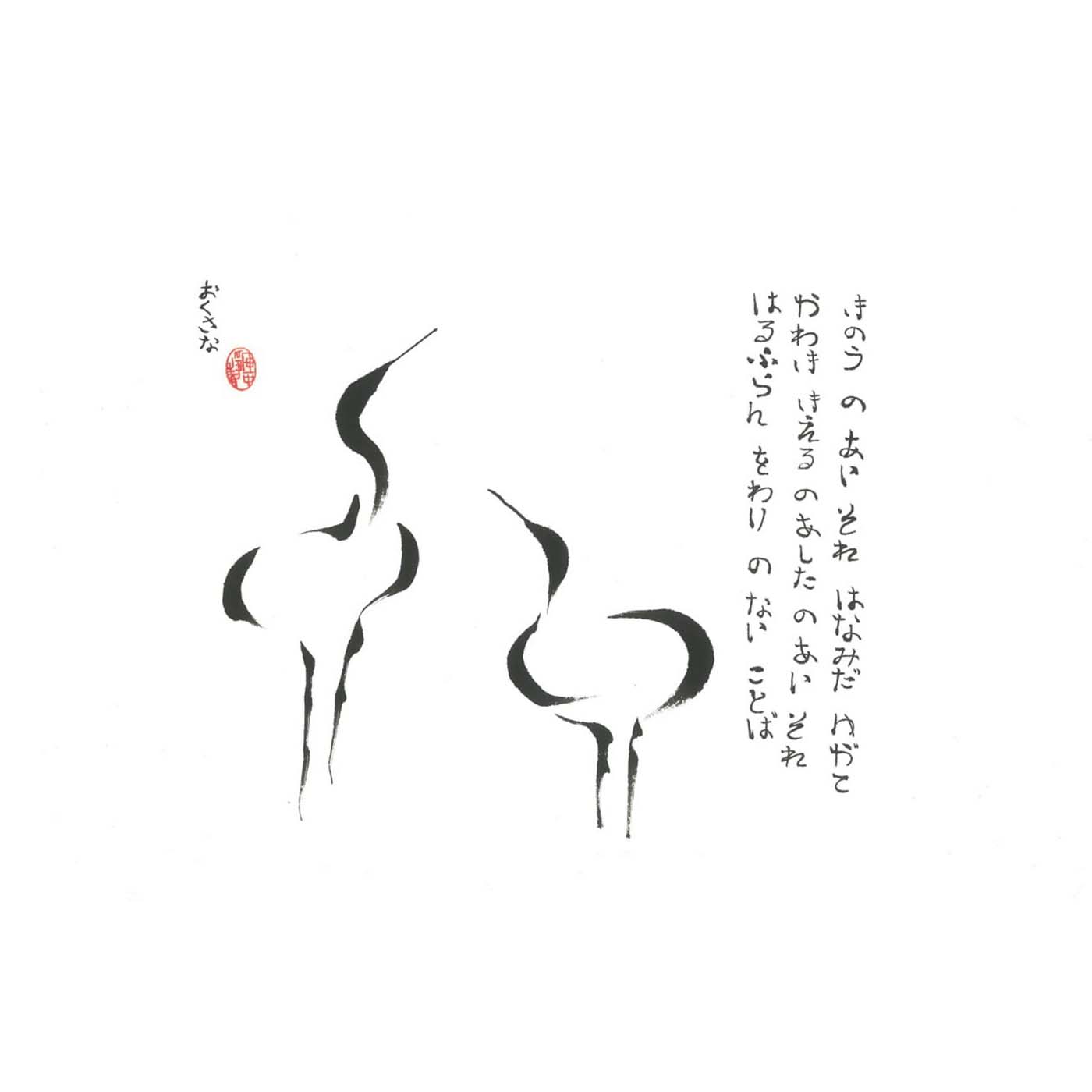
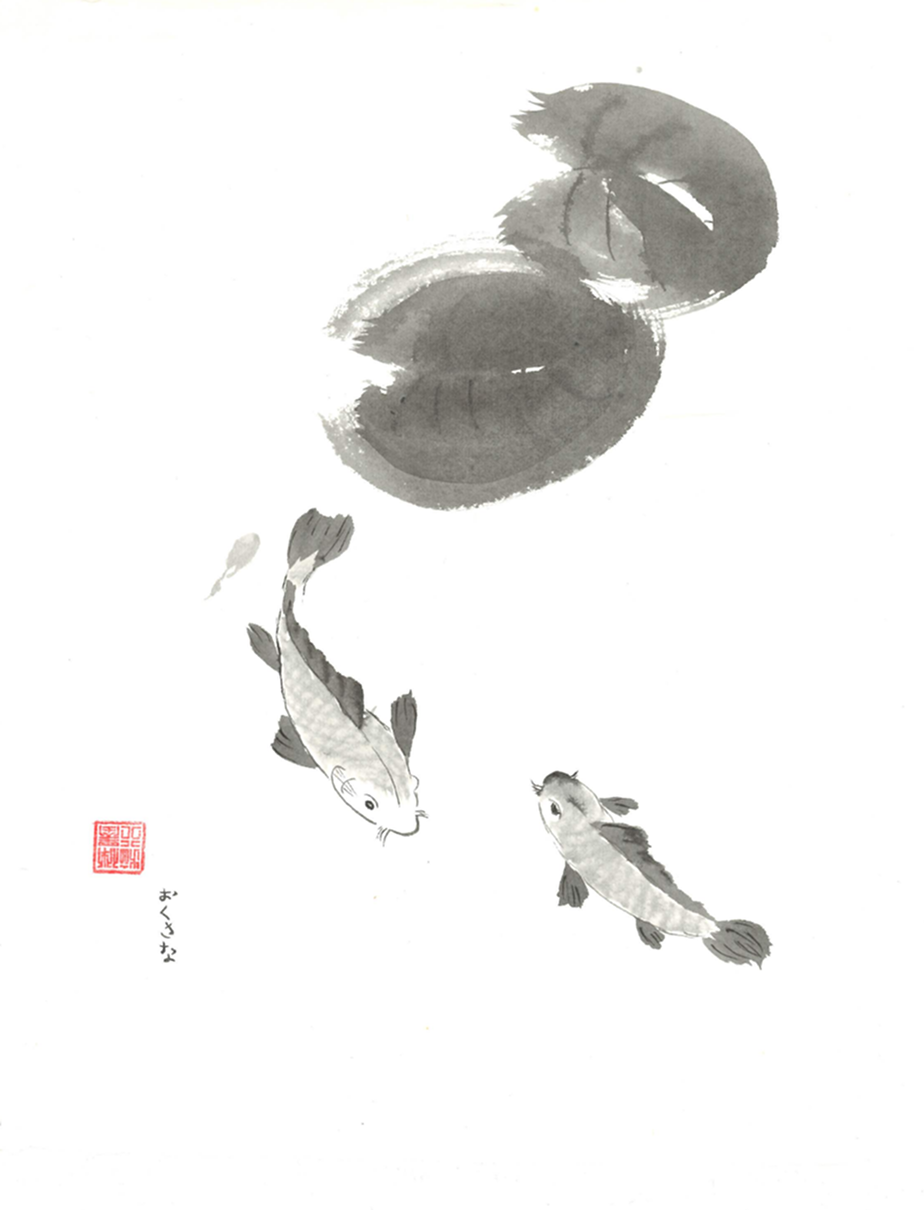
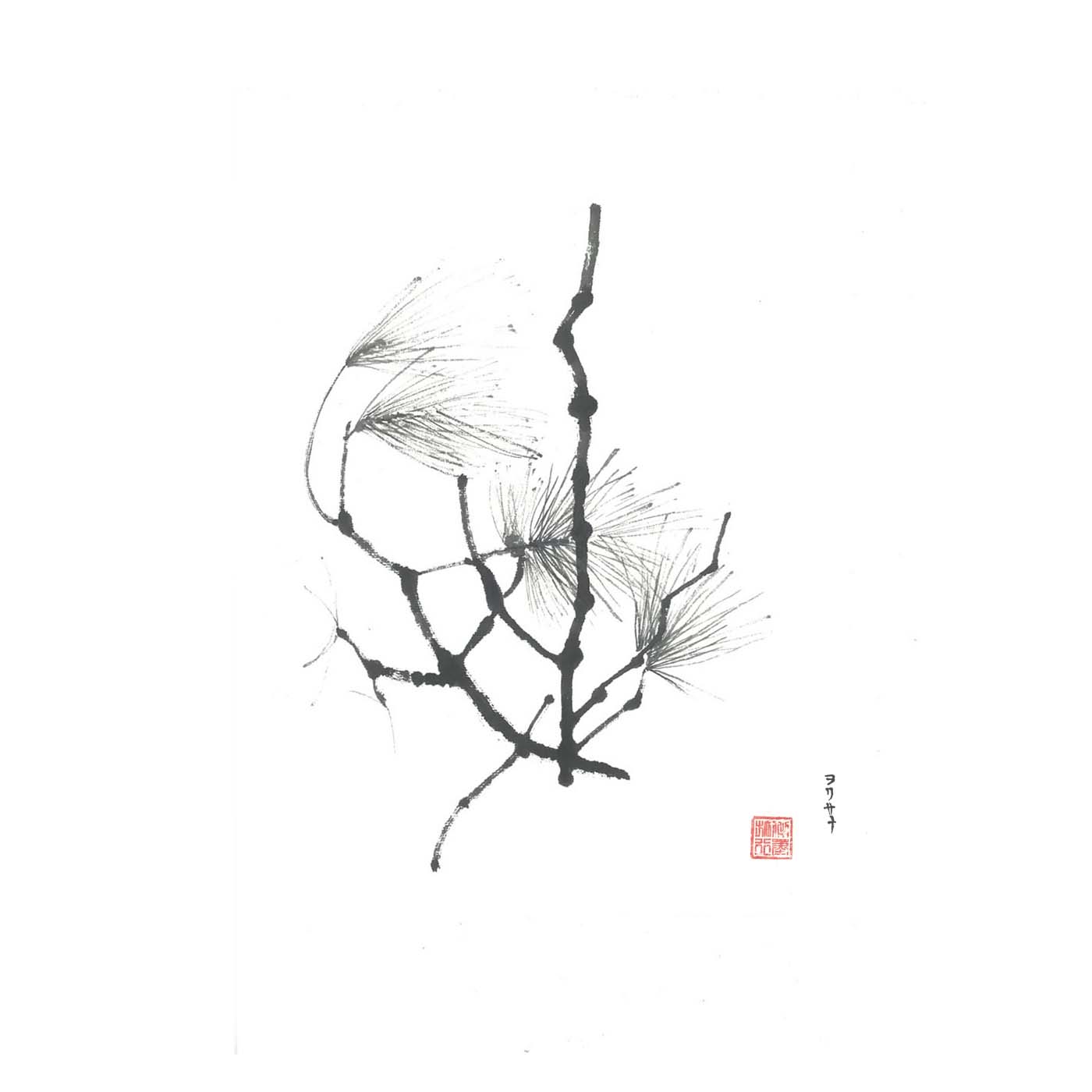
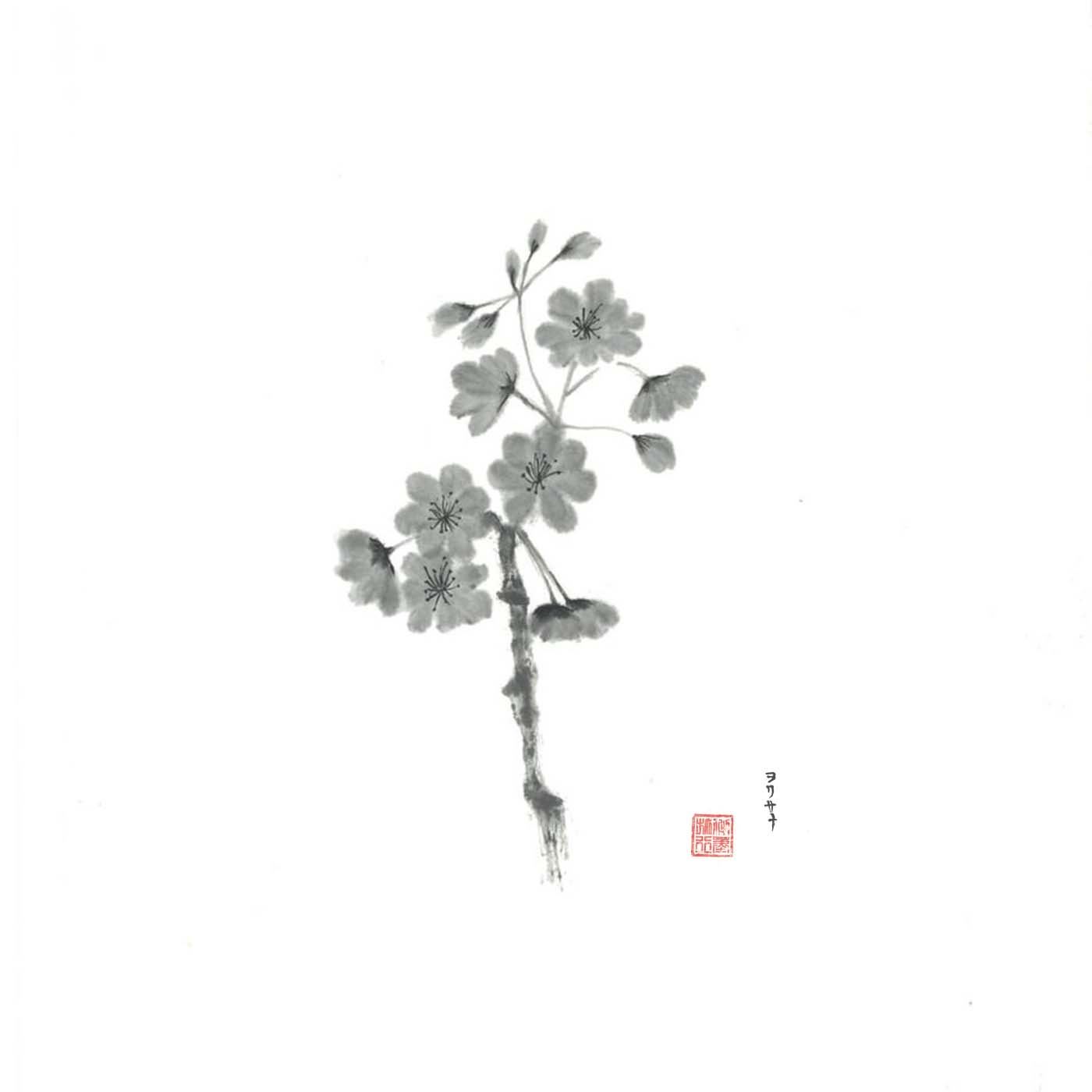
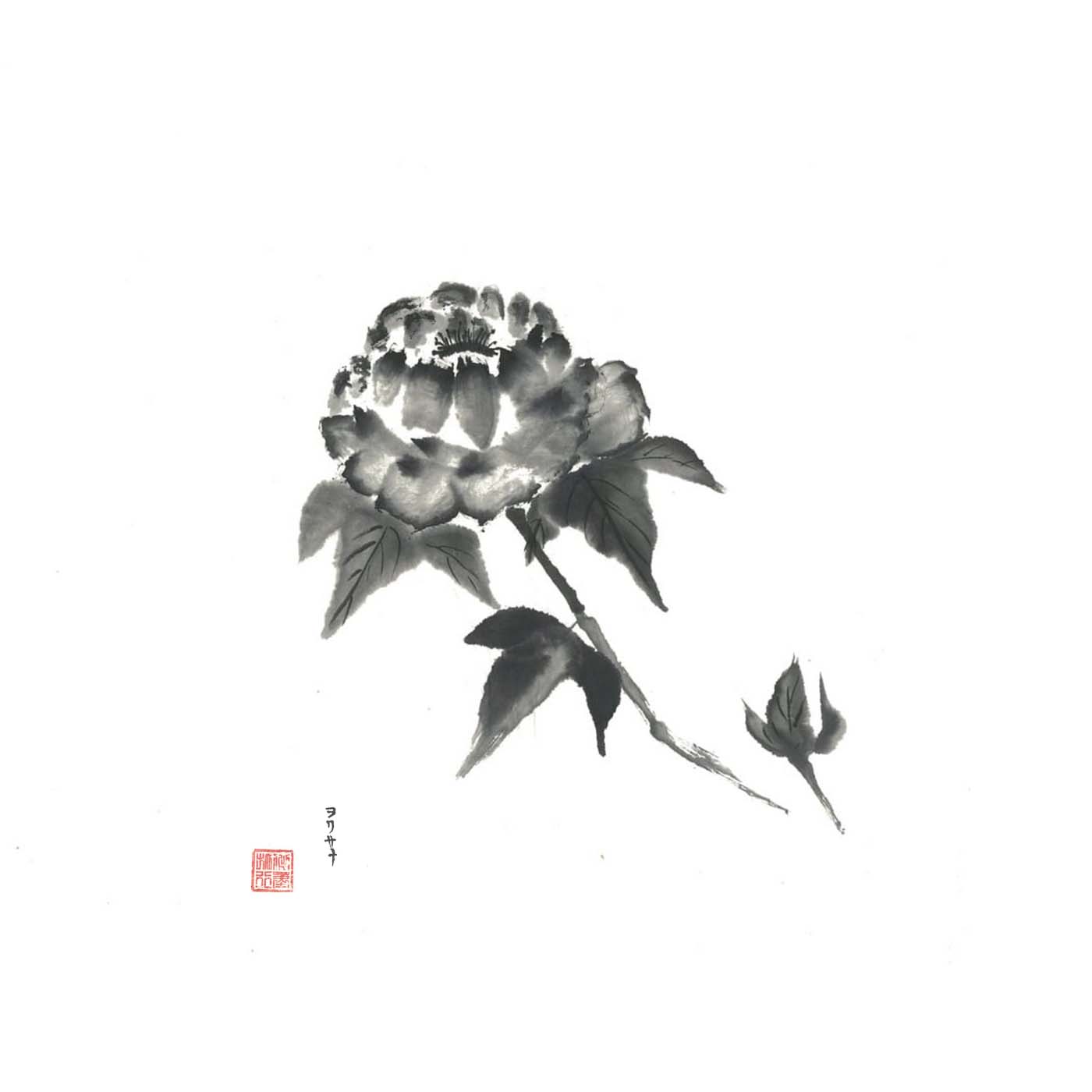
Others (余白 - Meaningful Void)
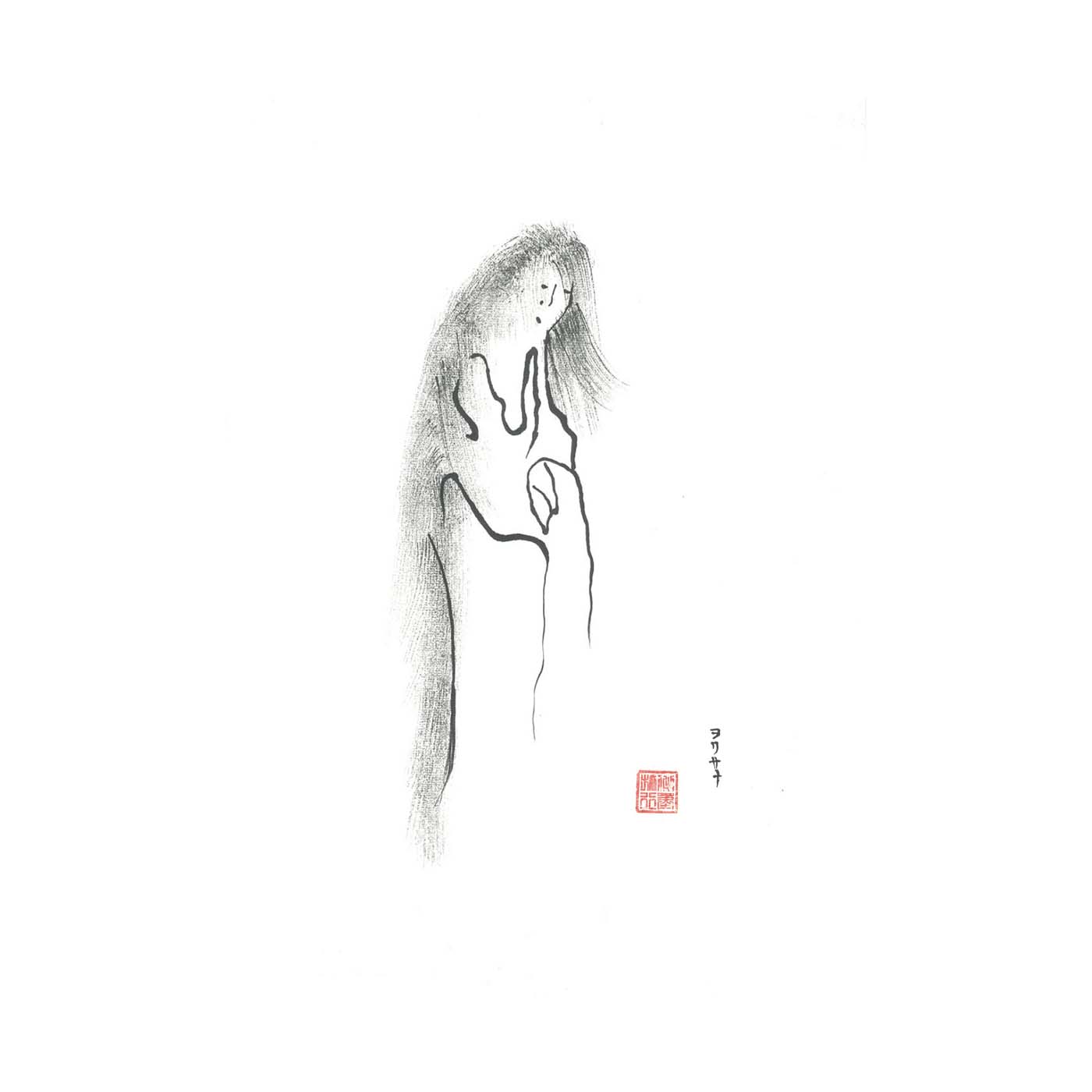
This section is for the compositions where the "negative space" is the protagonist. In Japanese aesthetics, the white space is as important as the ink; it is where the viewer’s imagination breathes.
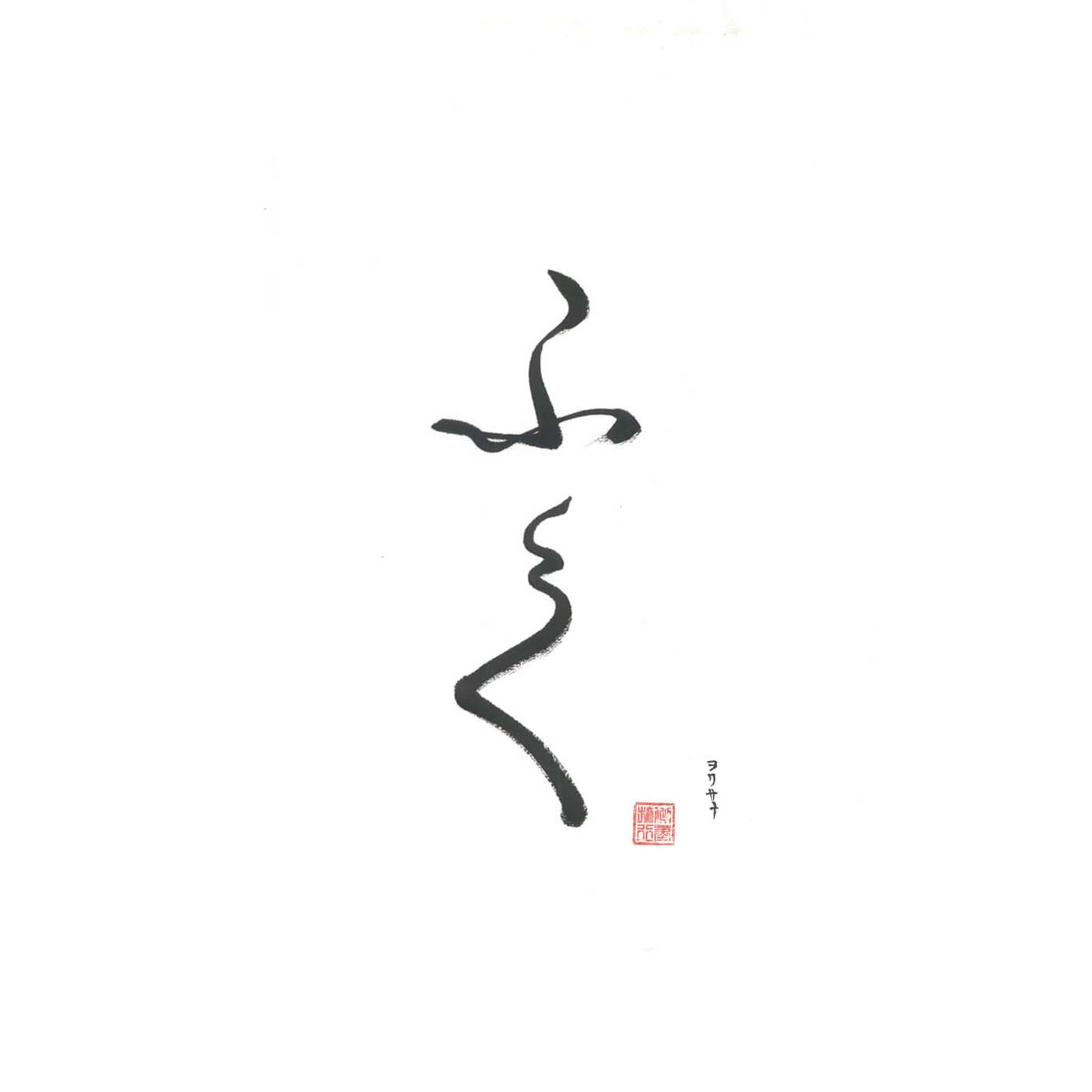
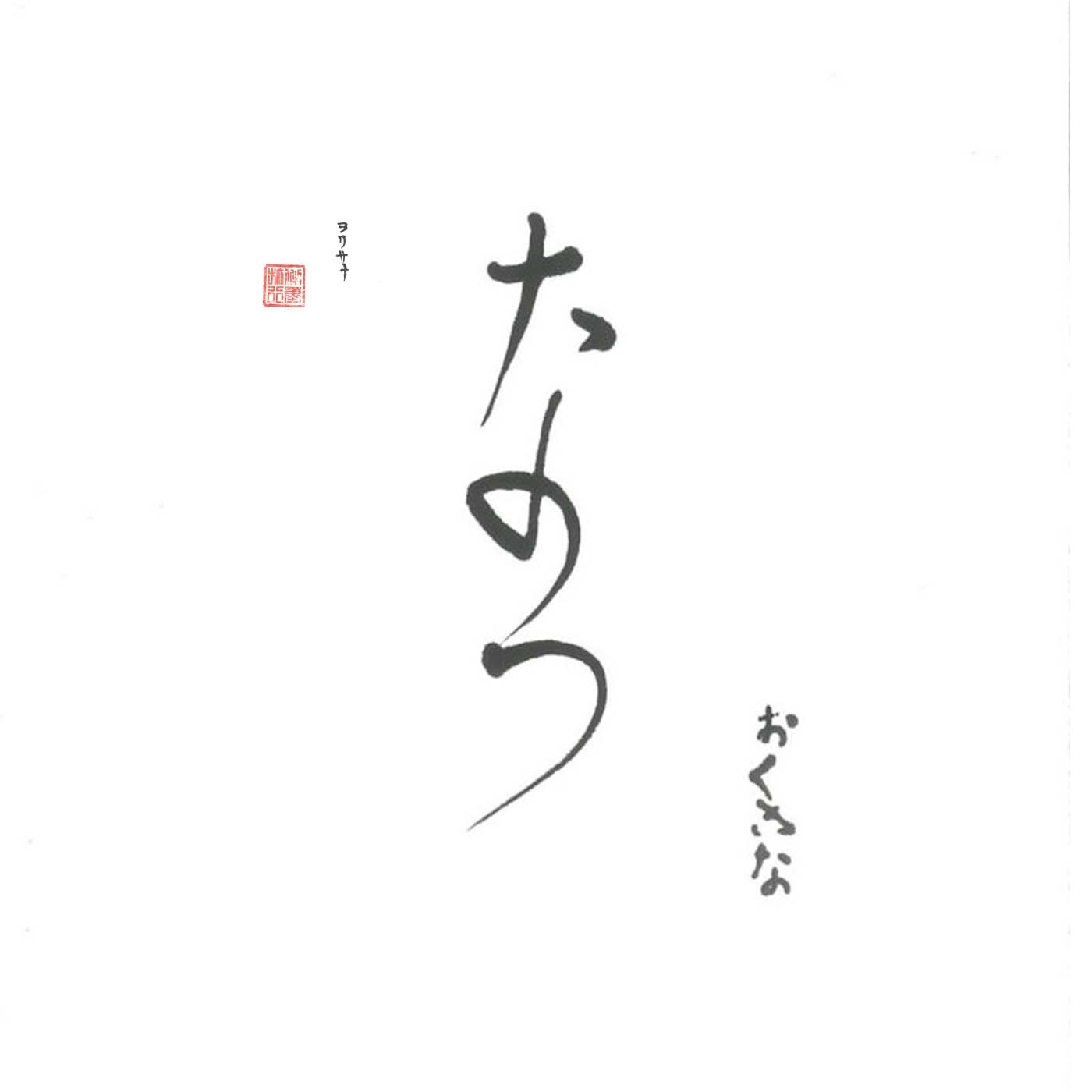
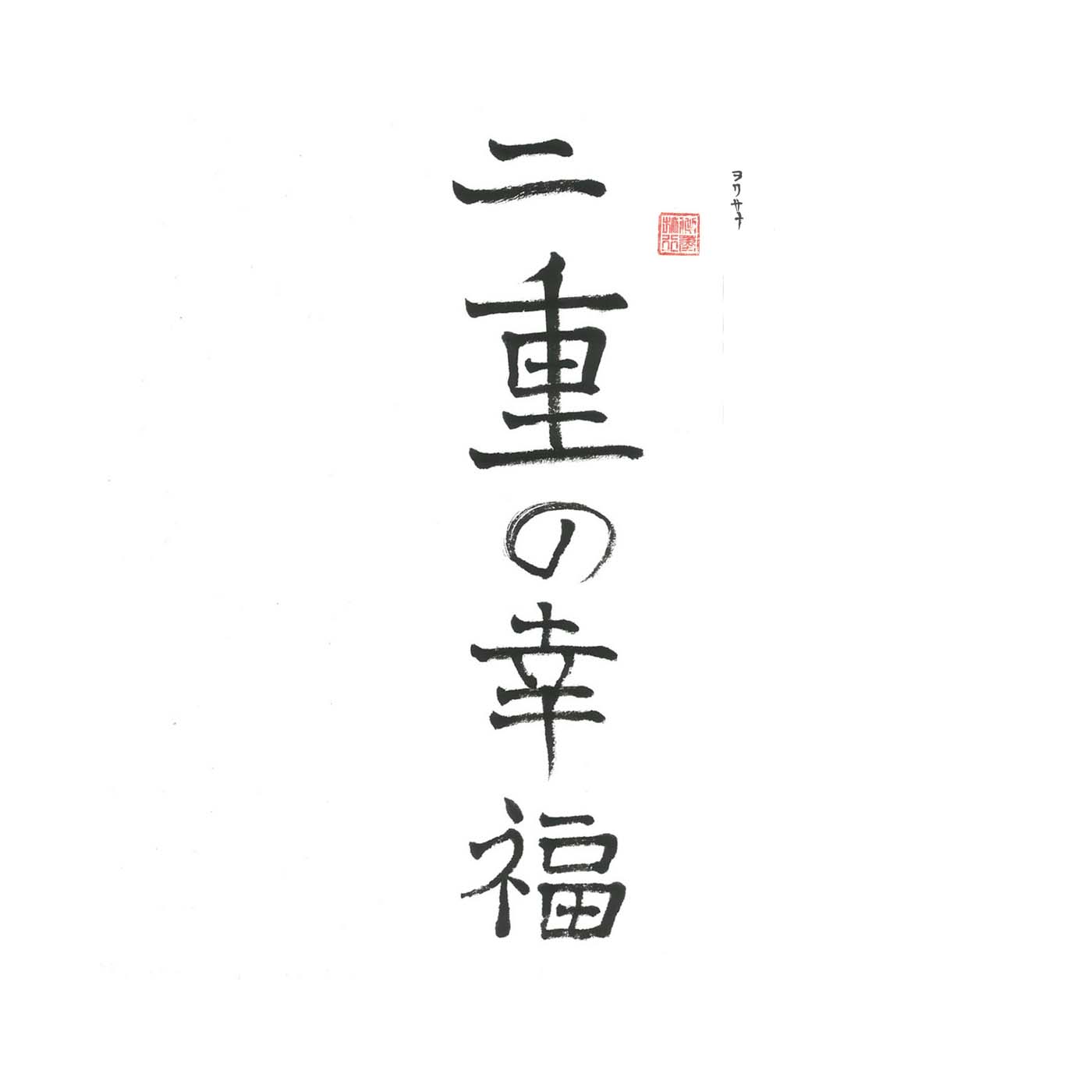
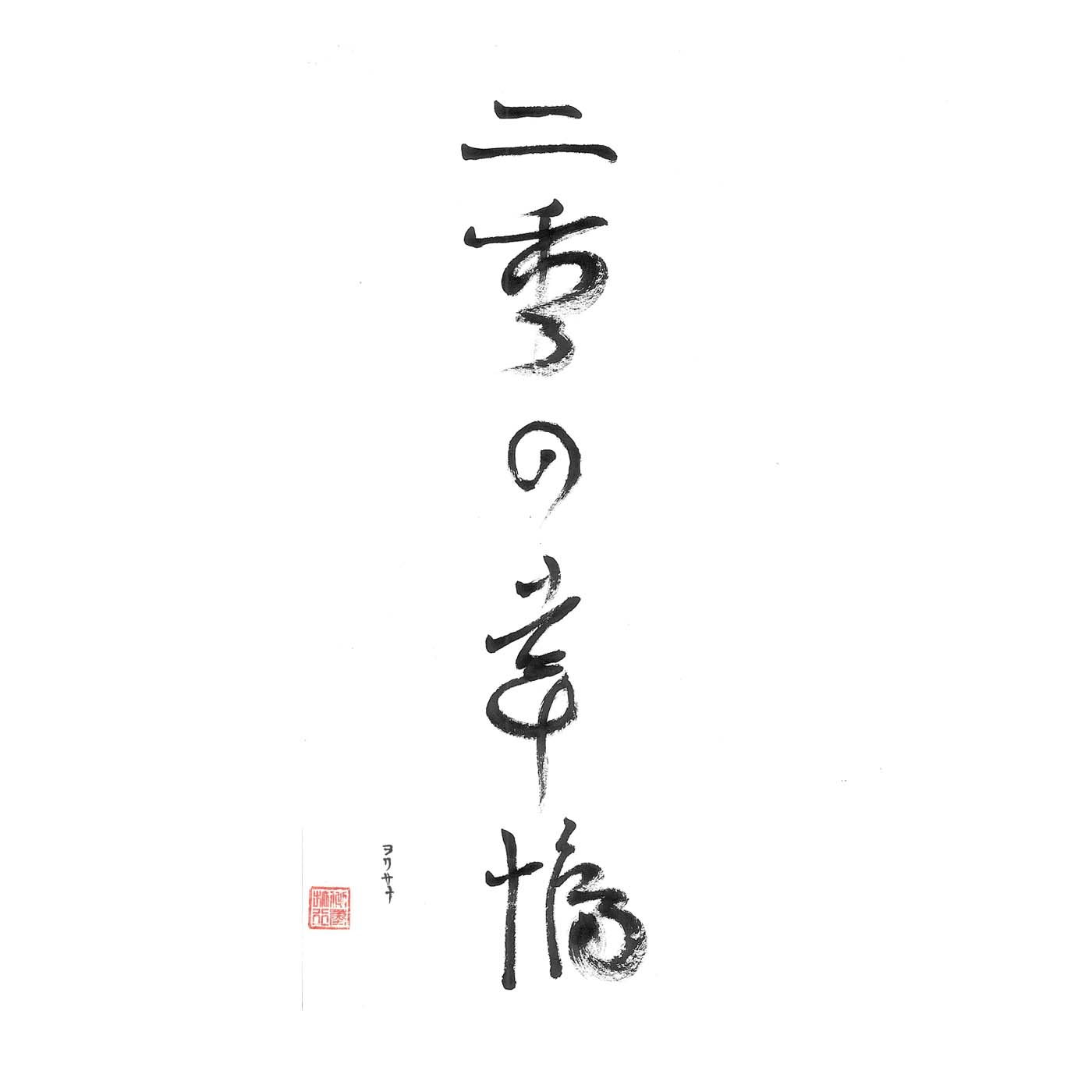
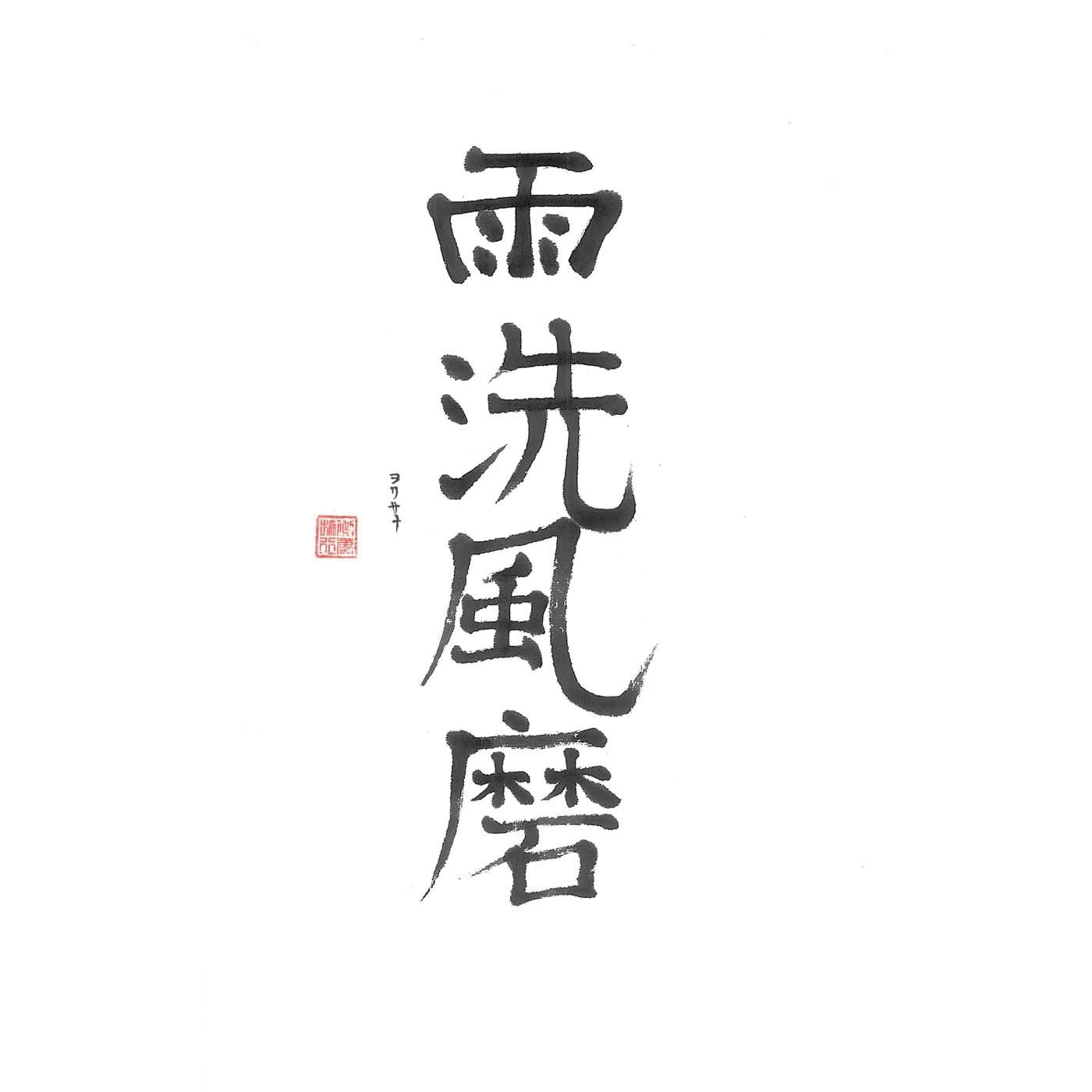
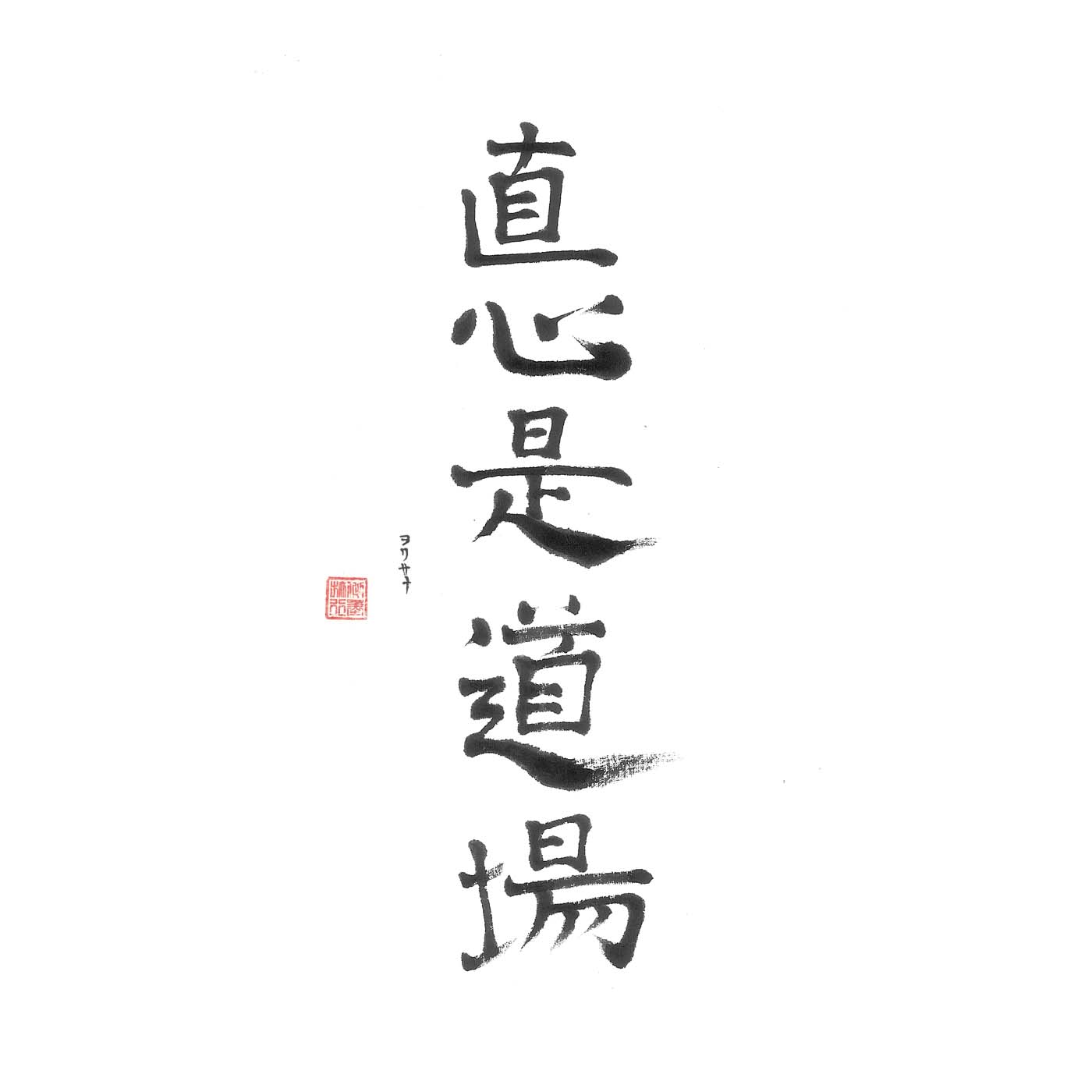
Variations (using various types of script)
The art of Japanese calligraphy (Shodo) is deeply rooted in the historical evolution of Chinese characters (kanji).Understanding the progression of the five core scripts provided me with a foundation of this art form. Historically, these scripts evolved in response to the changing needs of society—shifting from ancient religious engravings to bureaucratic efficiency, and ultimately blossoming into art.
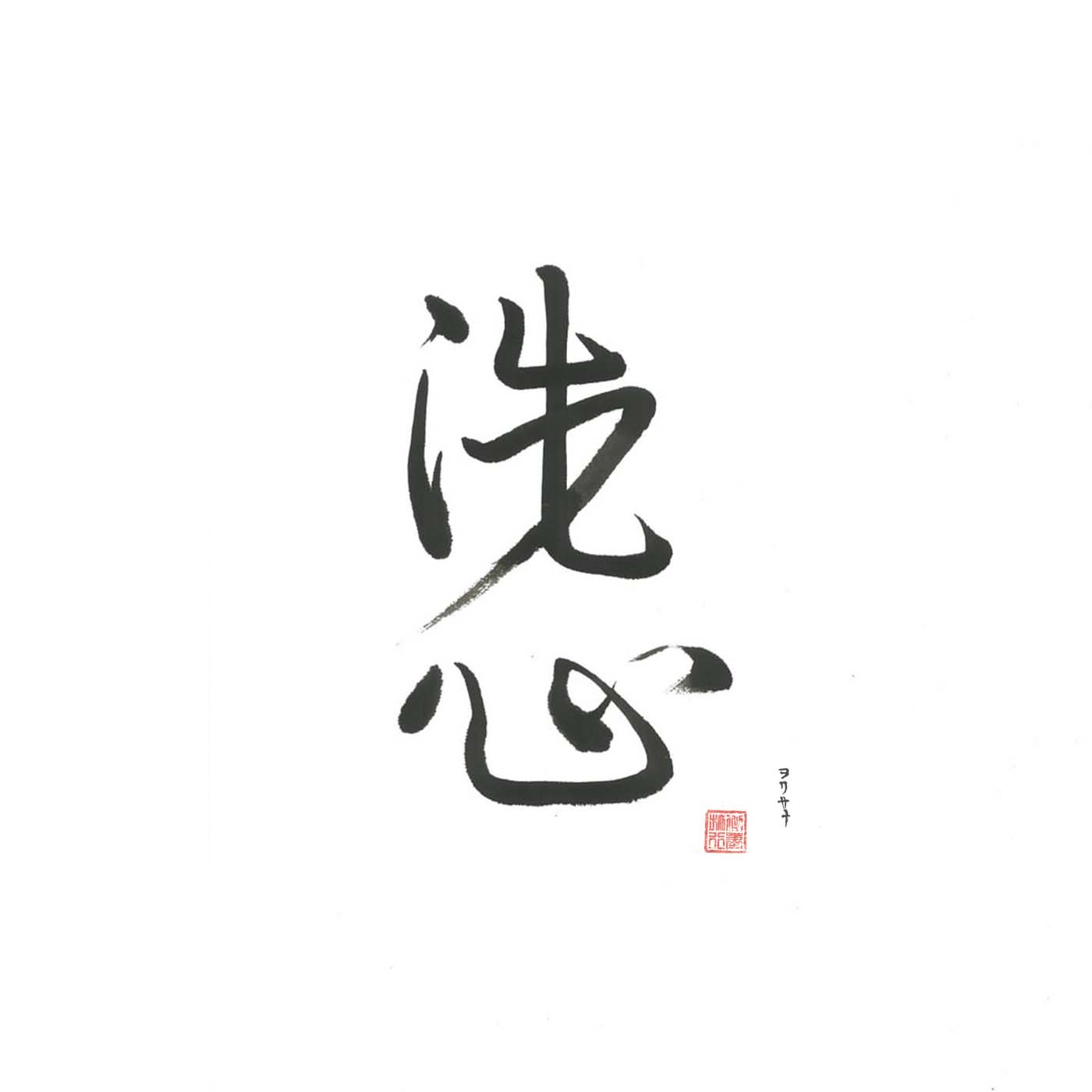
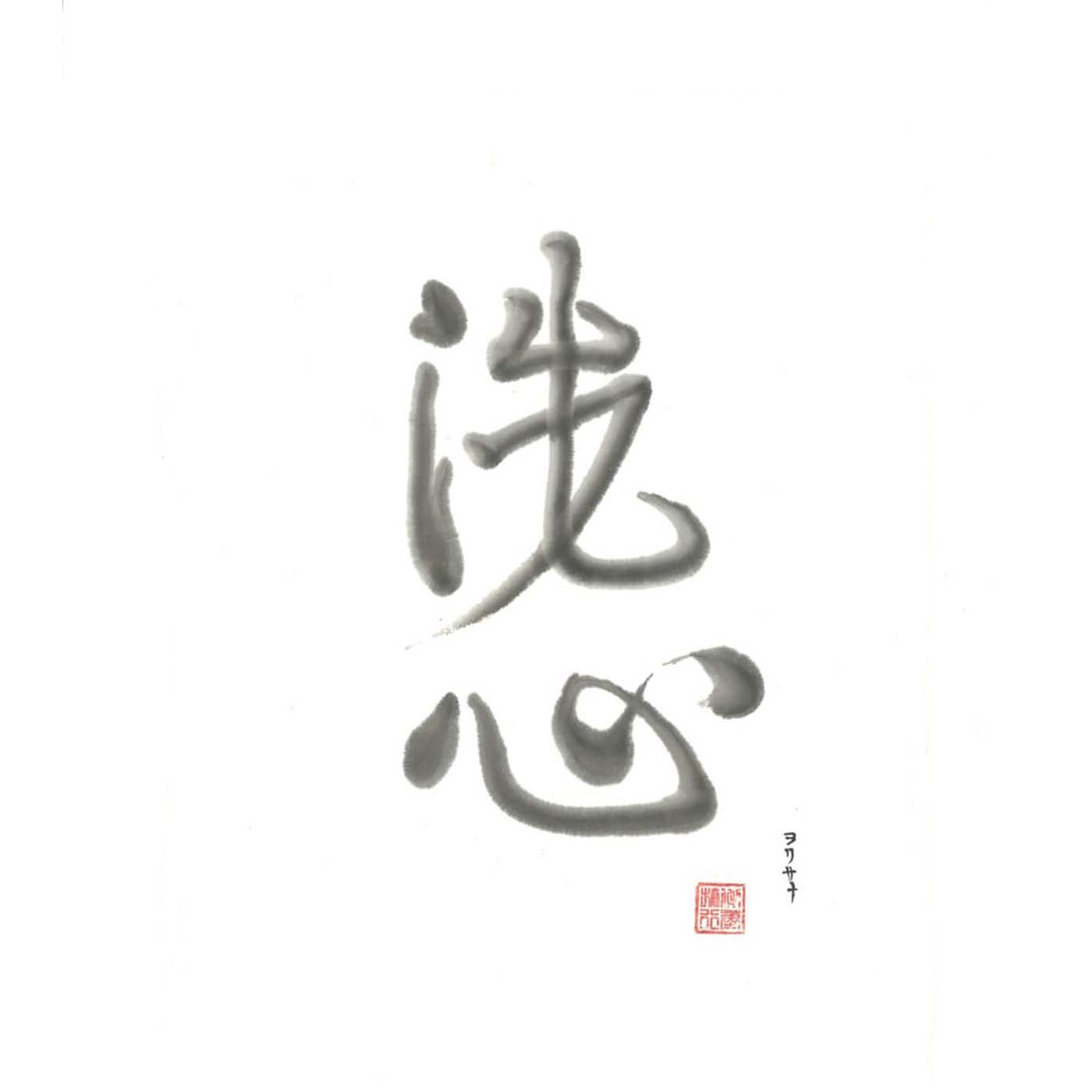
Inspired by Hokusai
Hokusai remains one of my favourite Japanese artists - not because of his famous painting "The Great Wave', but because his mastery of the brush allowed him to blend pictorial representation with the rhythmic energy of written characters, which always fascinated me. How can one combine strict rules imposed on artists back then and yet offer intense, wavering, and lively calligraphic energy?